Compare small station wagons
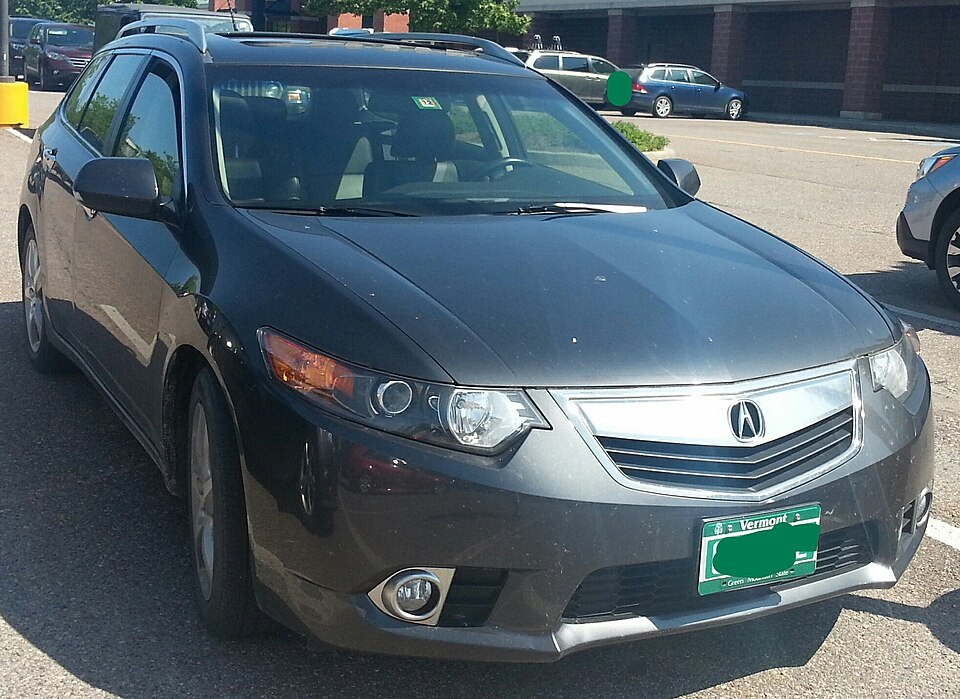
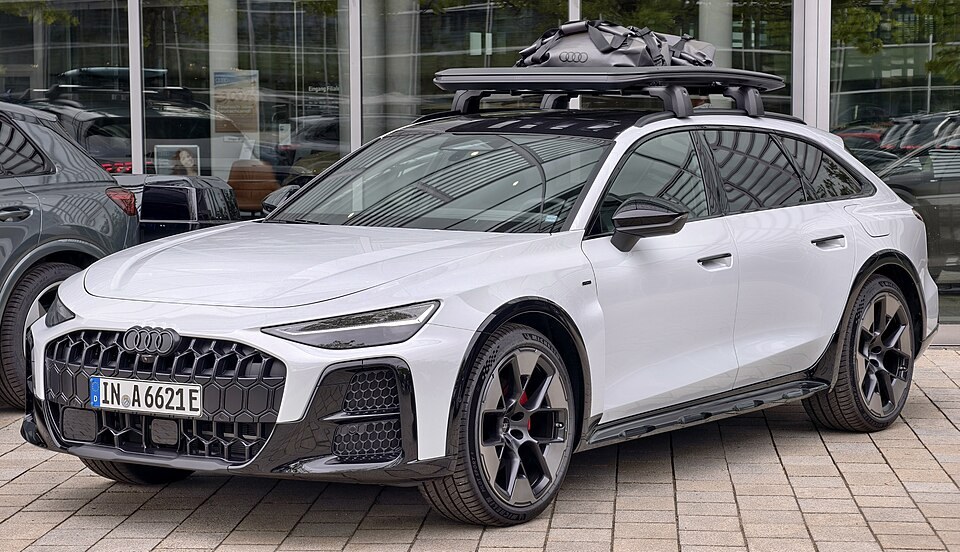
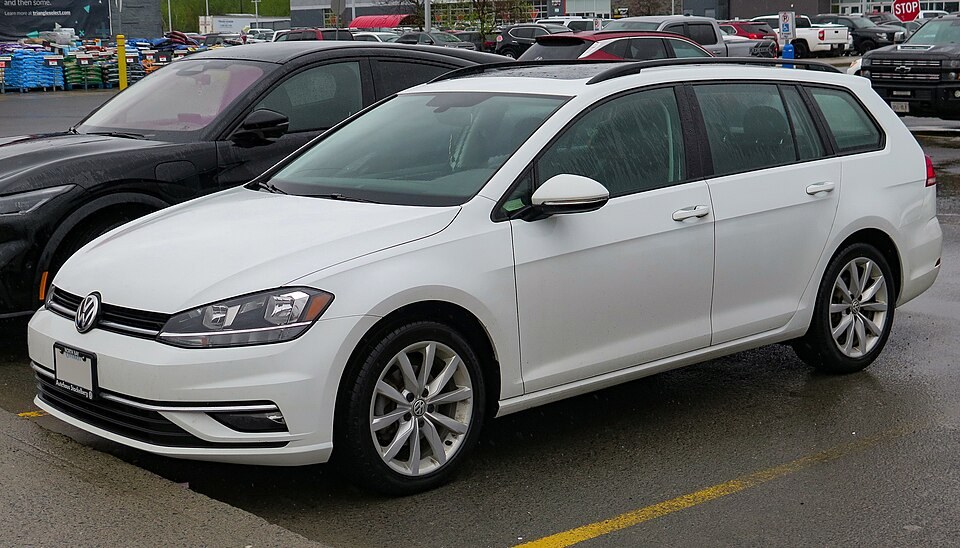
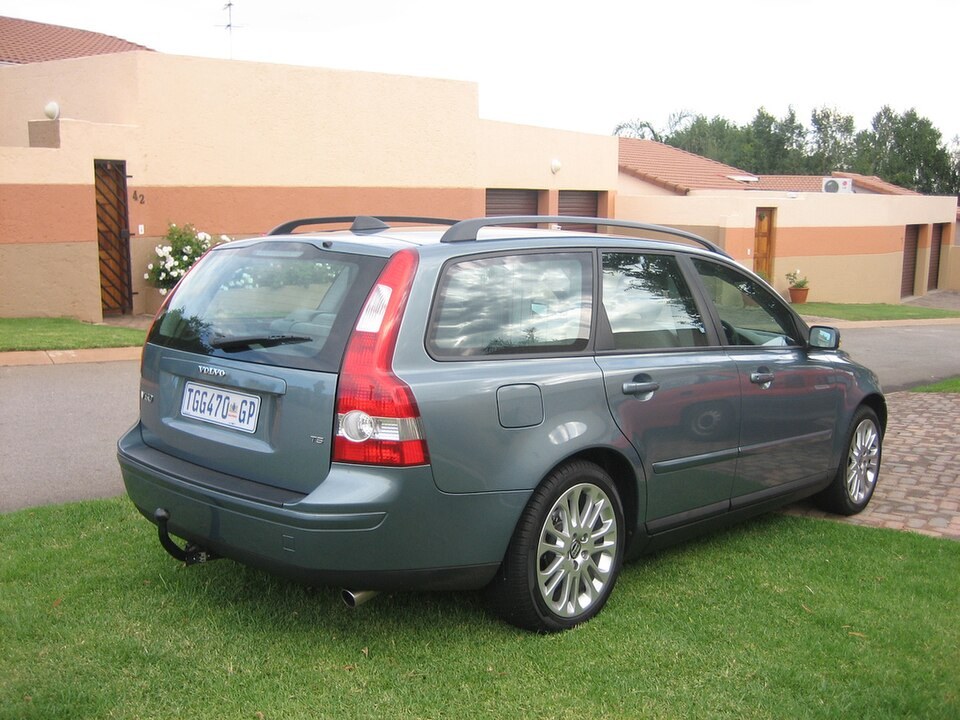
Looking specifically for smaller wagons? This index preserves the EPA size class on each selected configuration rather than inventing a Waghoon size score. Examples labeled Small Station Wagons include the 2014 Acura TSX Wagon, 2025 Audi A4 allroad quattro, 2019 Volkswagen Golf SportWagen and 2011 Volvo V50 FWD.
Use the two-car comparison above for MPG, drivetrain and documented cargo data. Treat “small” as the source classification, not a promise that one car is shorter or narrower than another; exact dimensions are shown only when Waghoon has a traceable wagon-specific source.
Find the right kind of wagon before shopping for one
The Station Wagon Index is Waghoon’s model-research reference. It compares selected model-year, engine and transmission configurations so you can build a shortlist before evaluating an individual car. It is not an inventory feed, a reliability ranking or a complete catalog of every wagon ever made.
Use it to narrow the field
Filter by make, period, drivetrain and fuel. Compare the actual configuration: a diesel automatic and a gasoline manual can share a model badge while producing different fuel-economy results.
Then evaluate the individual car
Once a model fits your needs, use our used station-wagon buying guide to check identity, history, condition and ownership cost. A promising model does not certify any particular listing.
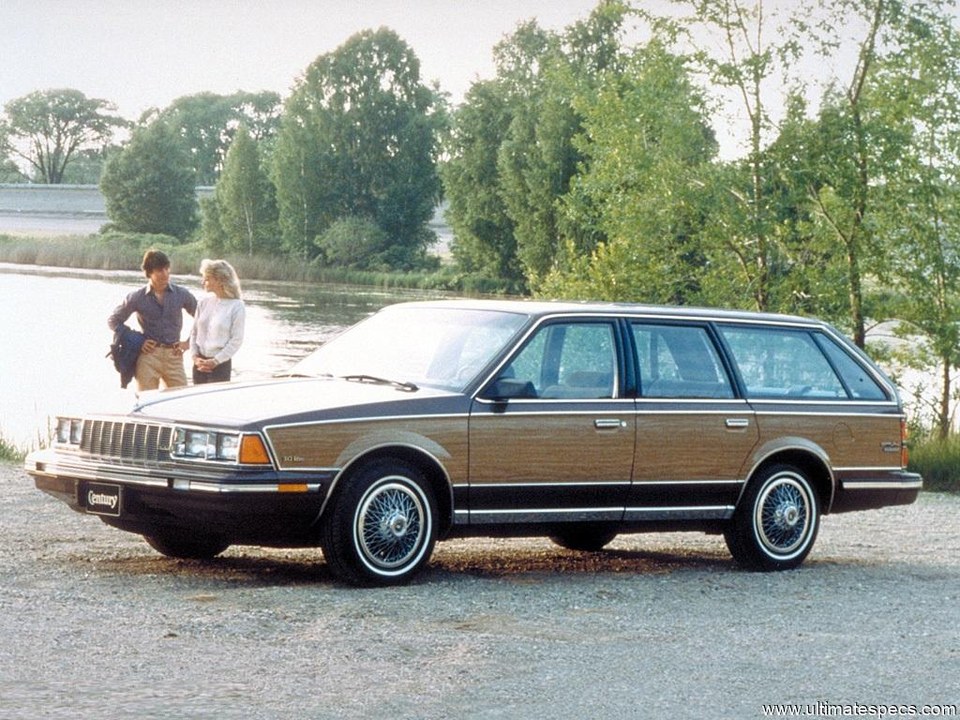
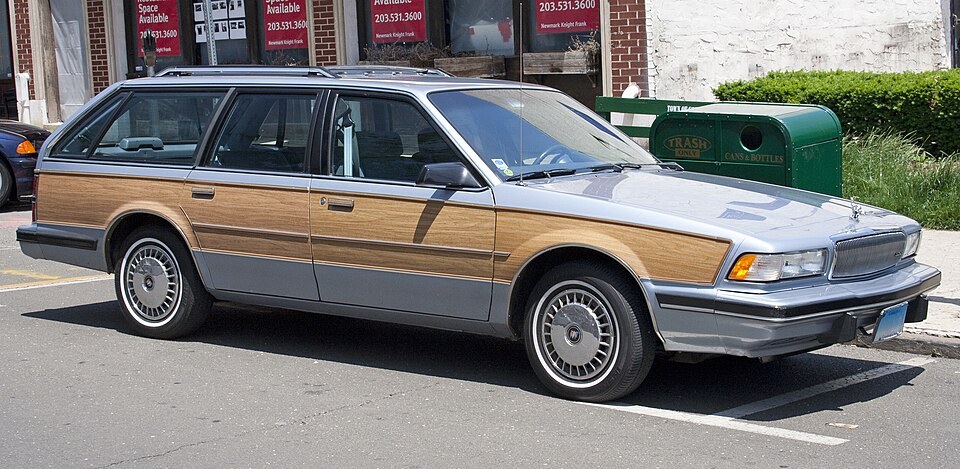
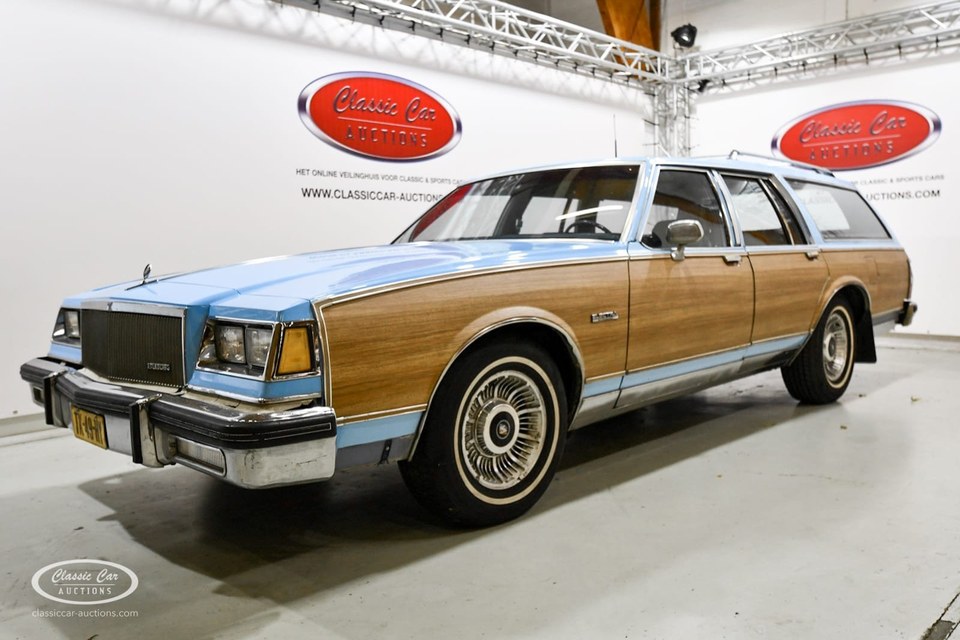
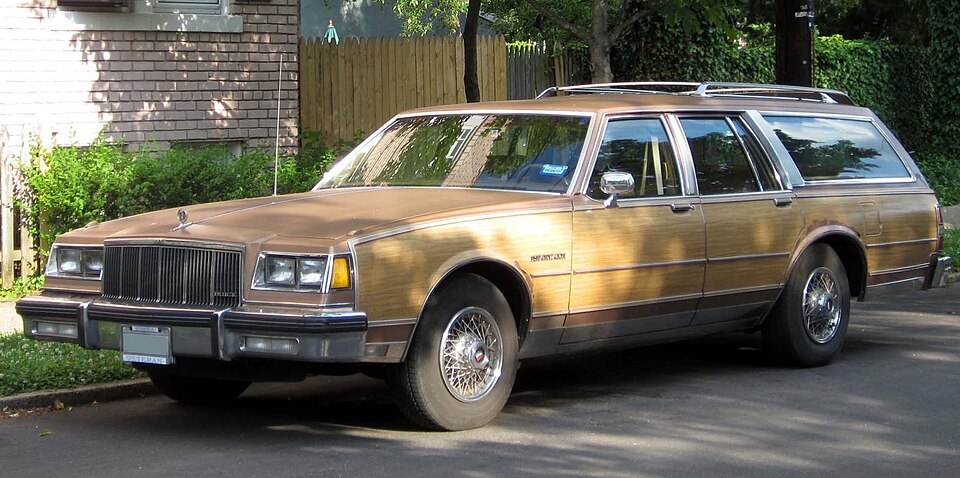
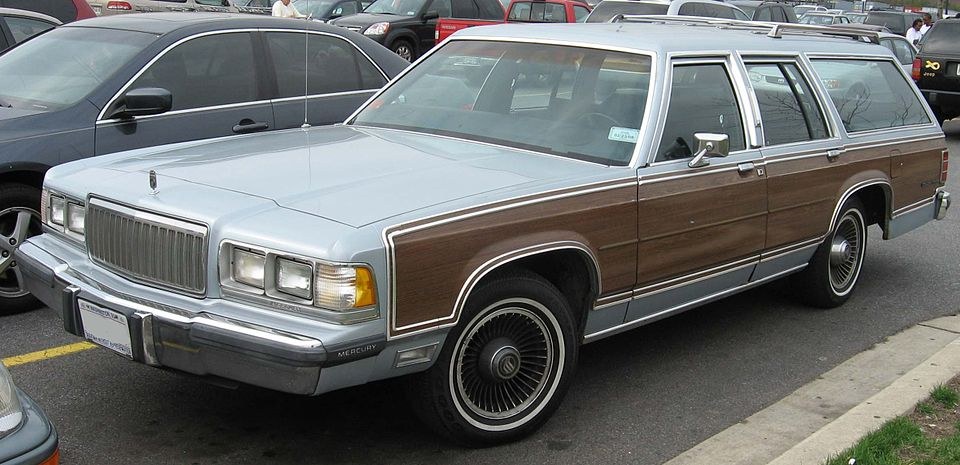
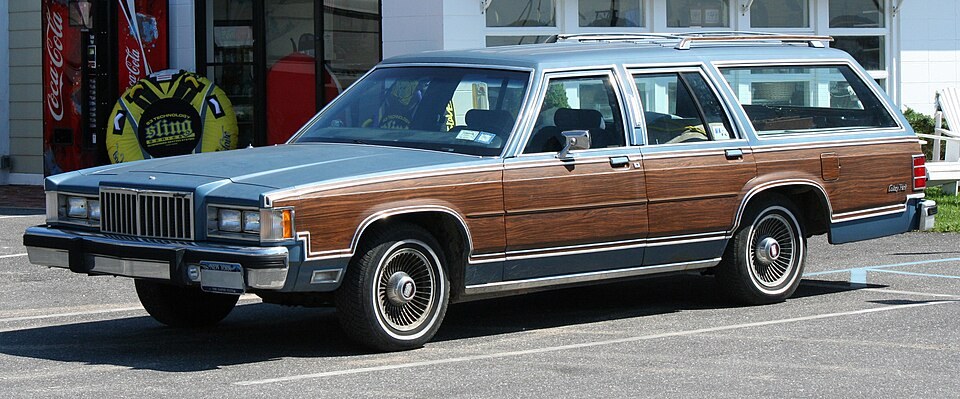
Coverage begins with the EPA’s 1984-onward vehicle records. Pre-1984 woodies, classic American family wagons and many non-U.S. estates remain outside this comparison dataset; explore their context in the history of station wagons. An EPA record is not proof that a configuration reached every market or remains available new.
How to compare station wagons fairly
| Your decision | Start with | Confirm on the actual car |
|---|
| Will it fit the garage? | Exact model-year length and width, where source-verified. | Mirror position, hatch clearance and room to open the doors. Wheelbase is not overall length. |
|---|
| Will it carry family gear? | Manufacturer seats-up cargo, with the measurement basis shown. | Your stroller, crate or luggage; hatch opening, wheel-arch width and floor length with the required seats occupied. |
|---|
| What will commuting cost? | EPA city/highway/combined MPG for the matching engine and transmission. | Your miles, local fuel price, required fuel grade, trip mix and maintenance. For plug-ins, include charging access and electricity use. |
|---|
| Does it suit winter travel? | Drivetrain and exact equipment, not an “all-road” marketing badge alone. | Tire type, condition, manufacturer matching requirements and the fitted AWD system’s service records. |
|---|
| Does it seat everyone safely? | Documented seating count and the actual model-year safety test. | Installed belts and anchors, third-row limits and physical child-seat fit. Passenger volume is not a seating count. |
|---|
No single number settles these decisions. More nominal cargo volume may still mean a less useful opening, and better MPG does not automatically mean lower total ownership cost.
Sources, definitions and coverage
1. One row is one selected EPA configuration
Every row retains its stable Waghoon record ID and original EPA vehicle ID. Its source link opens the exact model-year record. Different years and regulatory model labels can describe closely related vehicles; the count is a count of configurations, not unique generations or distinct nameplates. We preserve those distinctions instead of inventing an aggregate “average wagon.”
MPG, powertrain and reported interior-volume fields come from FuelEconomy.gov’s documented vehicle service. The record’s checked date identifies the source retrieval, not an inspection of a car. Data unavailable in a source remains N/A.
2. EPA luggage volume is not maximum cargo capacity
The legacy source reports fields such as lv4 (four-door luggage volume) and hlv (hatchback luggage volume). We identify the field used on each record. These are not a promise of usable space with the rear seats folded. Manufacturer cargo figures are kept in separate fields, with seat position and measurement standard where stated. Do not compare an EPA field with a manufacturer seats-down figure as if they measure the same space.
3. Dimensions require a model-year and body match
Earlier versions joined dimension records without retaining sufficient matching evidence. Those legacy values are no longer shown as verified measurements. We now publish dimensions only with a traceable wagon-specific source and identify whether width excludes mirrors or is unspecified. We do not substitute sedan measurements, borrow another generation’s dimensions or fill gaps by averaging.
4. Fuel economy needs an energy label
Ordinary MPG describes fuel distance per U.S. gallon. A plug-in hybrid also has electricity-use information: its gasoline-mode MPG must not be treated as its full plug-in efficiency. The comparison separates gasoline-mode MPG from electricity-plus-gasoline MPGe where available. Fuel-cost snapshots are omitted because they depend on changing prices and driving assumptions.
5. Body-style boundaries are visible
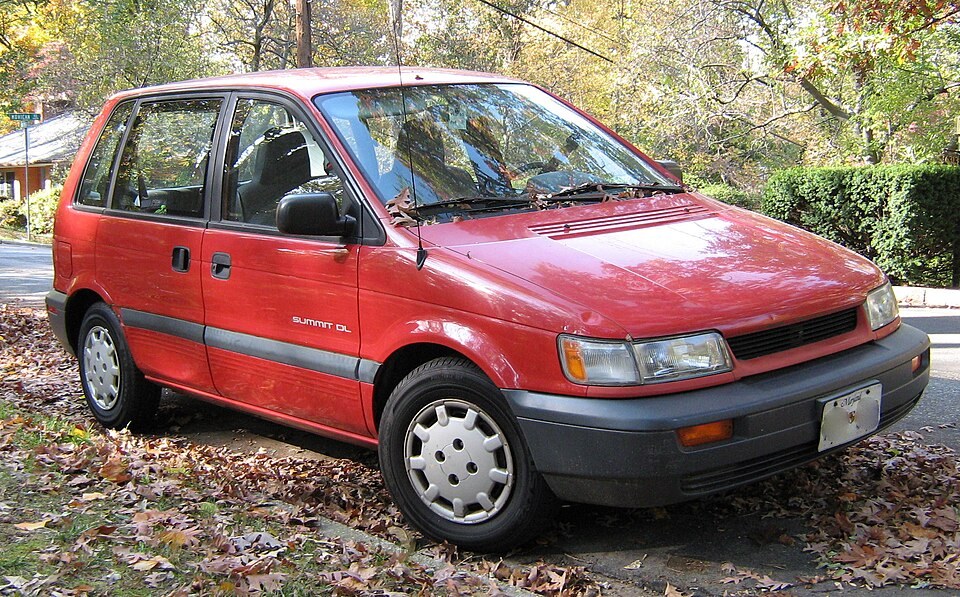
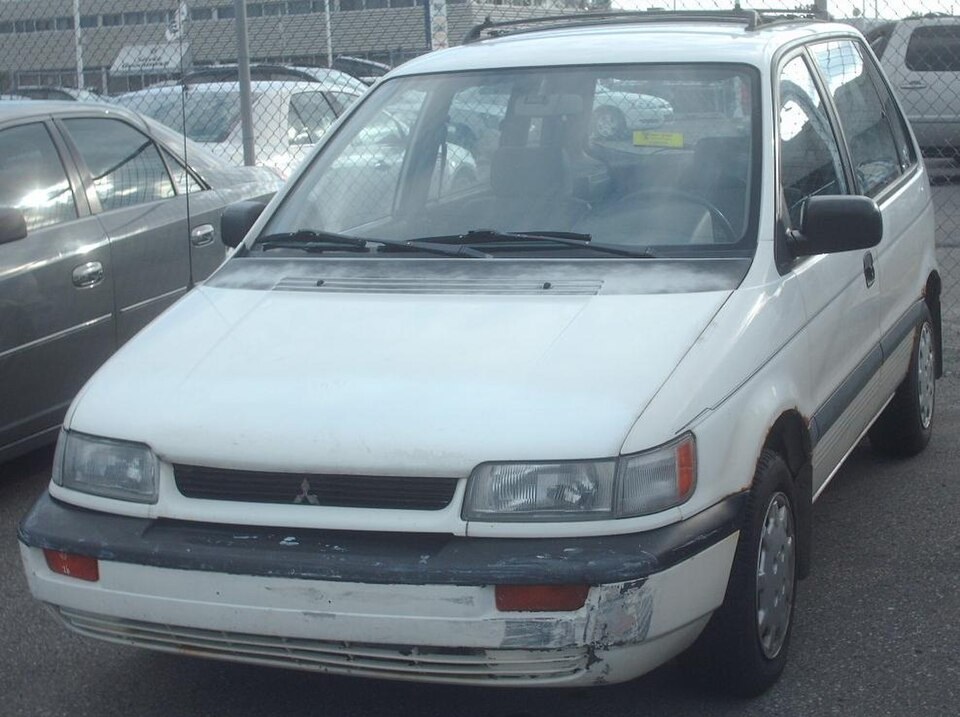
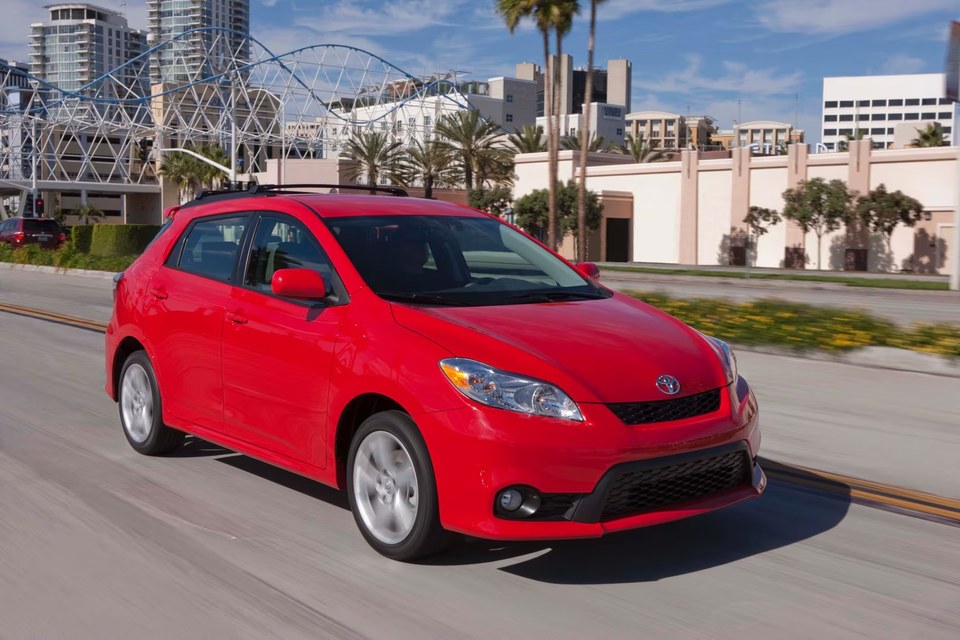
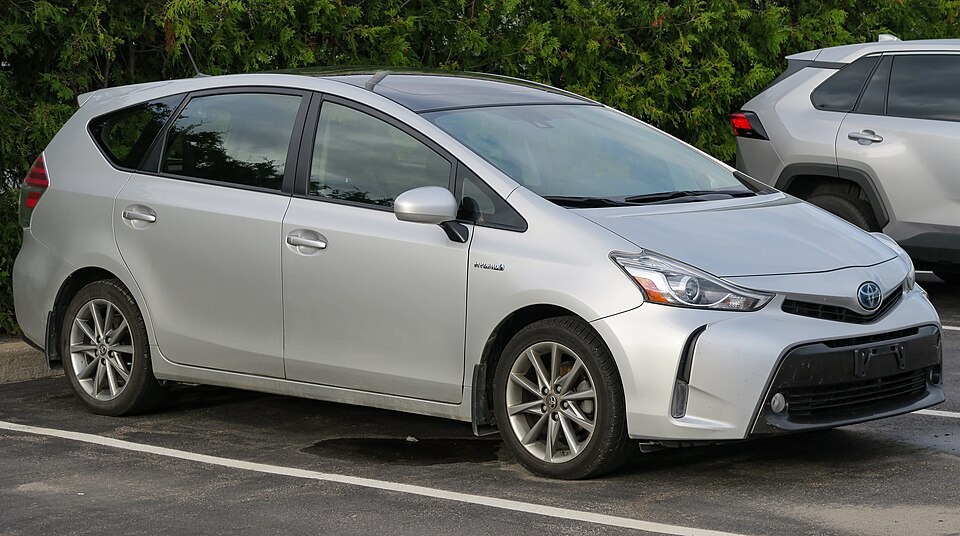
EPA size classes are regulatory categories, not a universal definition of a wagon. Nine related tall-wagon, MPV or hatchback configurations remain in the reference dataset but are excluded from the default longroof view. You can include them explicitly. The Prius v remains a labeled tall hybrid wagon; its proportions are different from a conventional low-roof estate.
6. No invented safety or reliability scores
A blank rating means we have not established an applicable result; it does not mean the car failed. NHTSA limits frontal and overall comparisons to vehicles in the same class and within 250 pounds. Consult the actual model-year test and equipment at NHTSA and IIHS. We do not blend agencies or decades into a universal star ranking.
7. Images and corrections
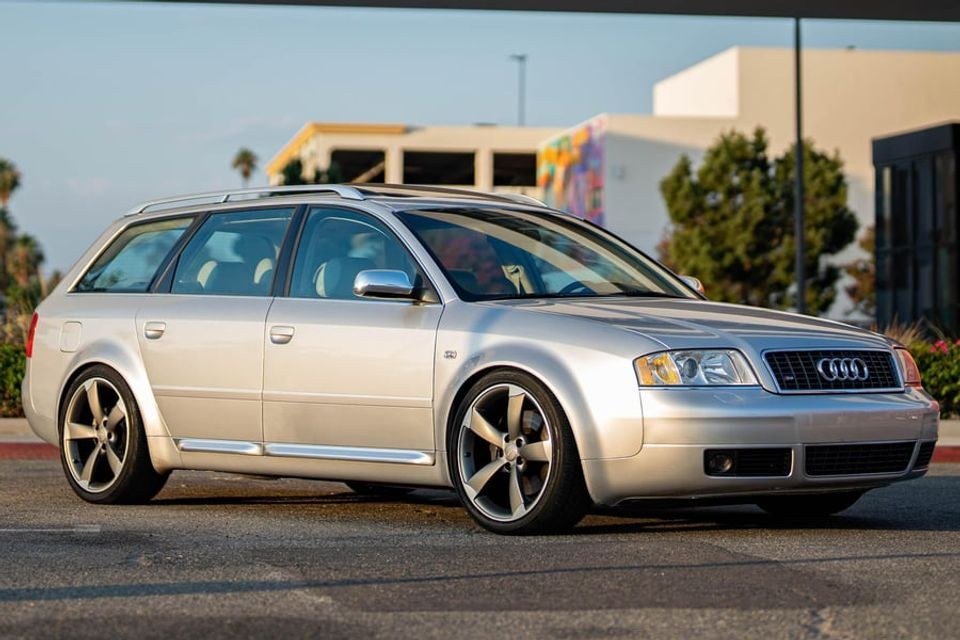
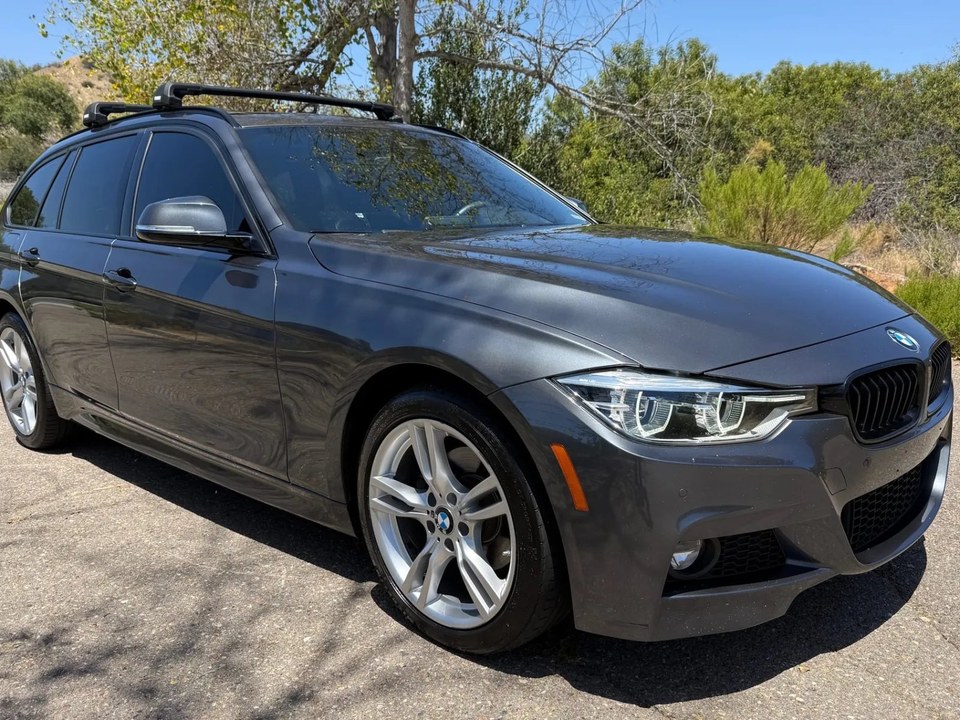
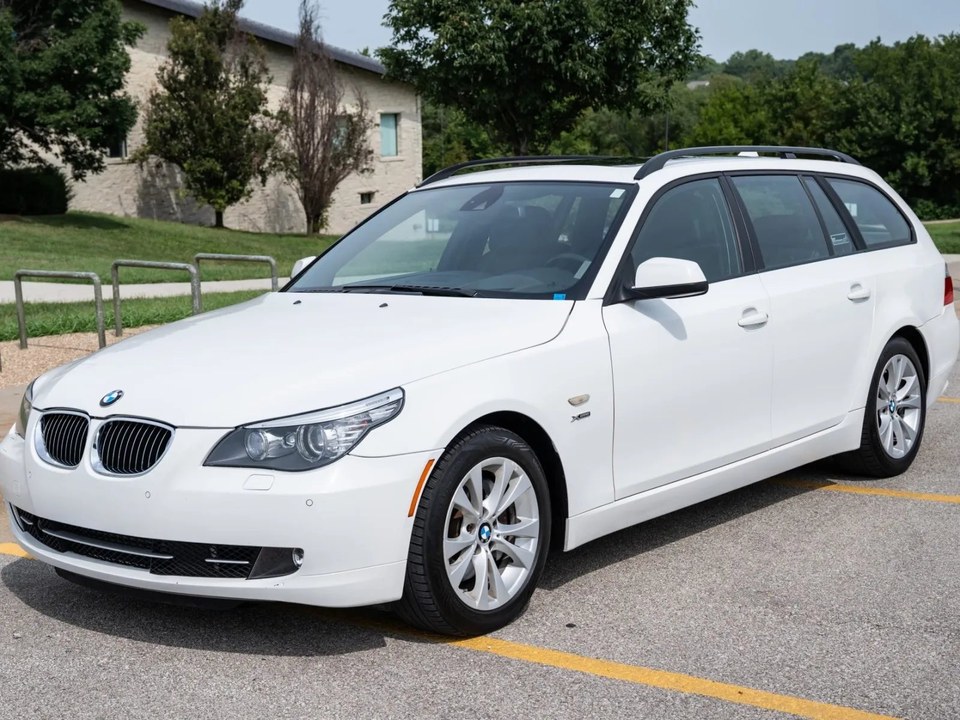
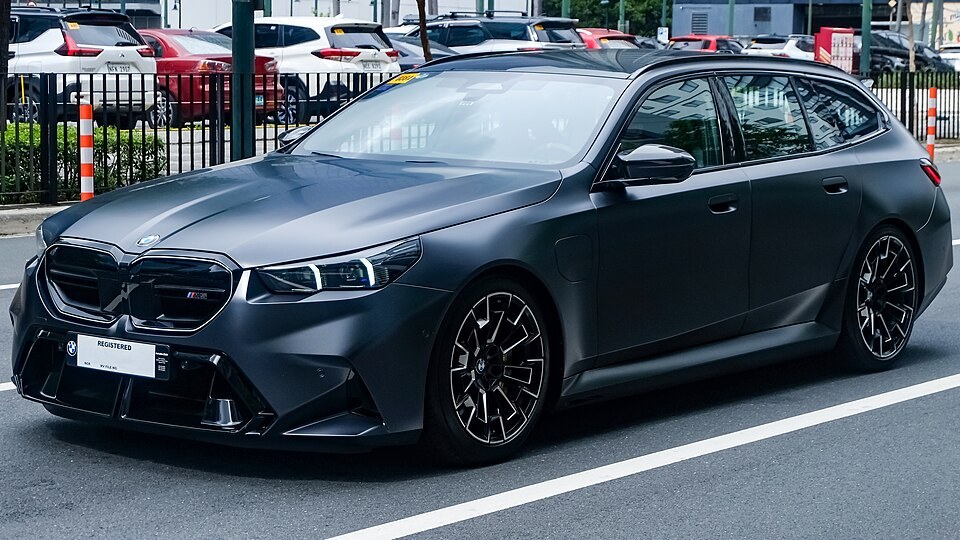
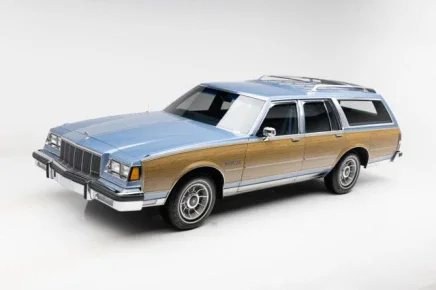
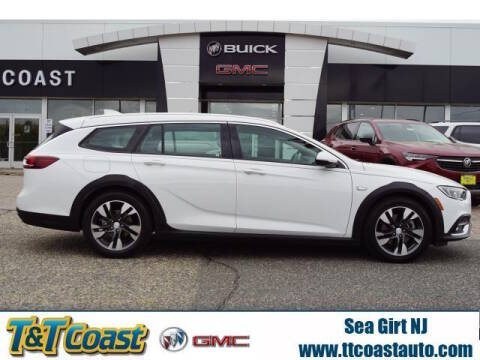
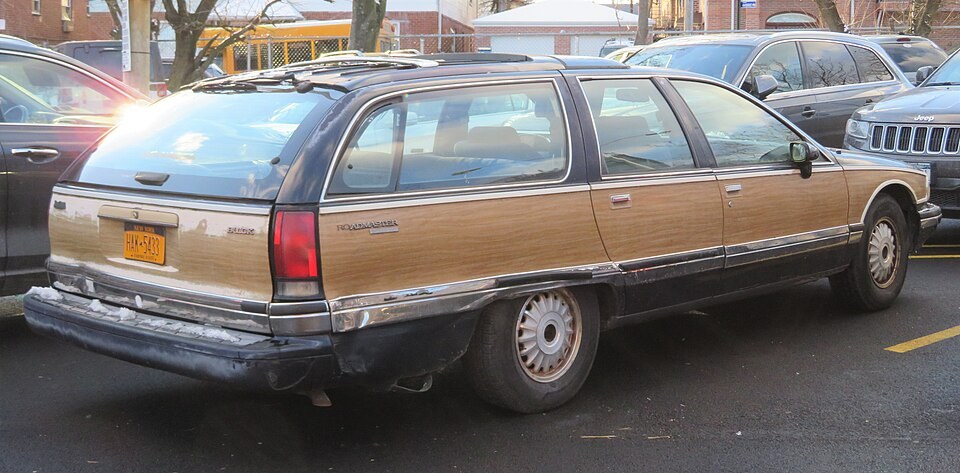
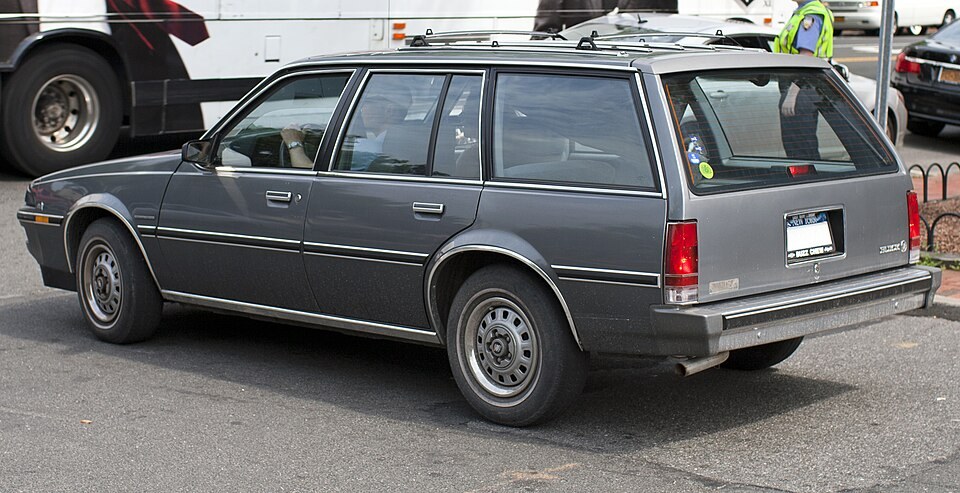
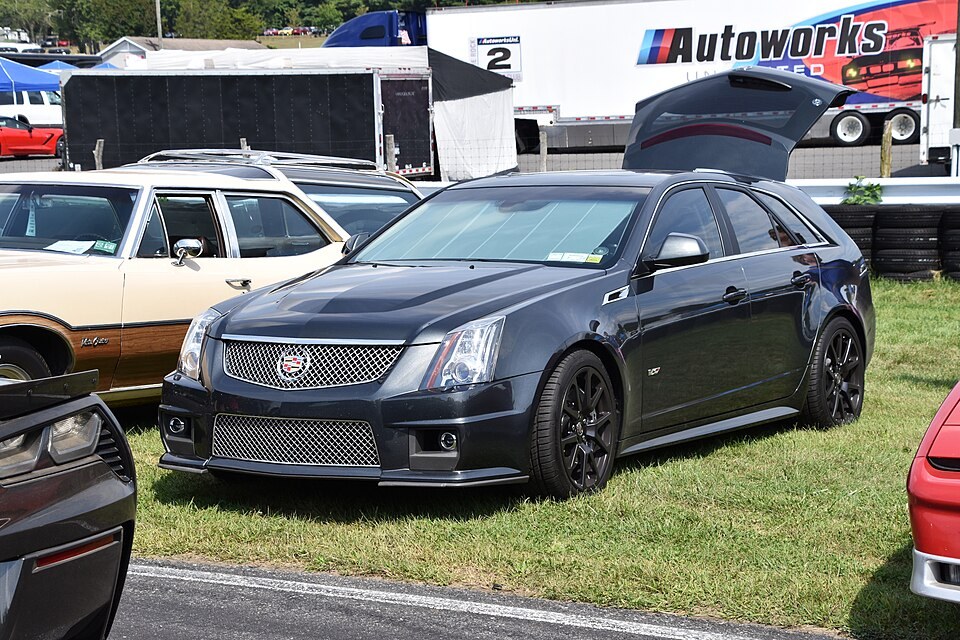
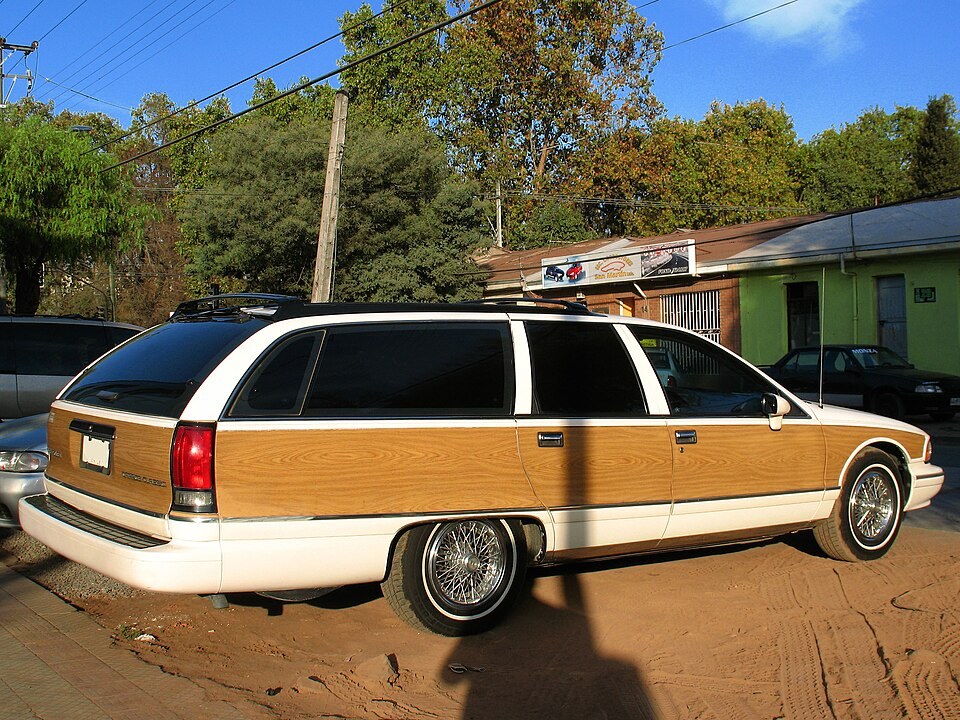
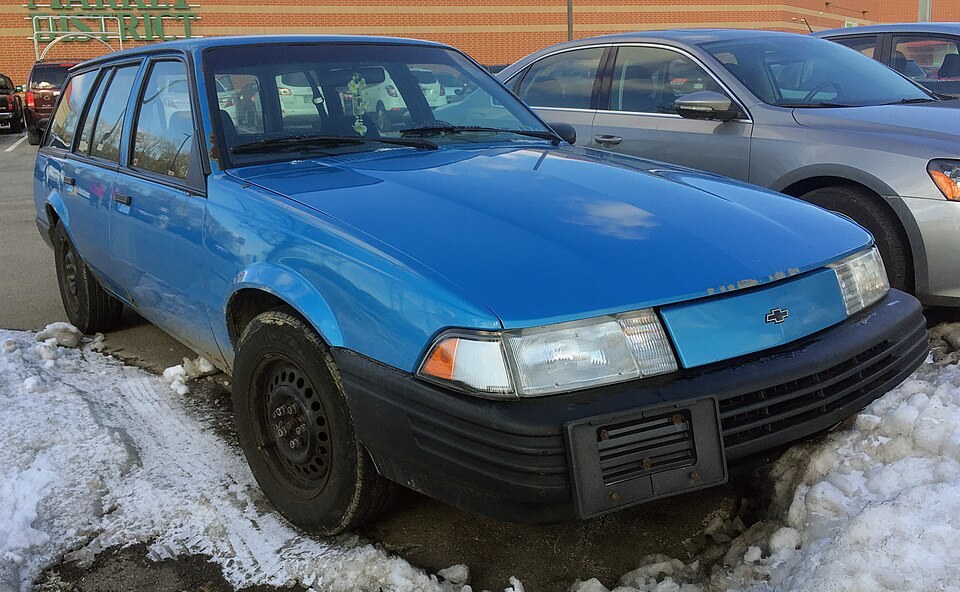
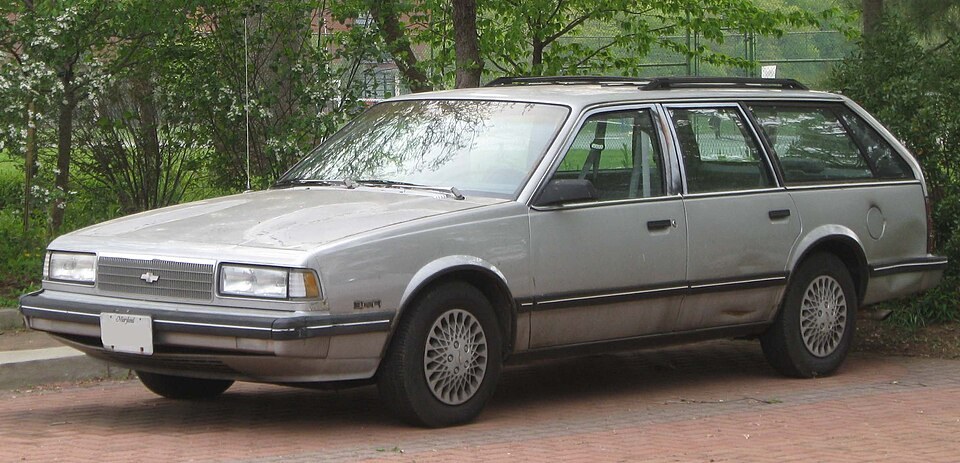
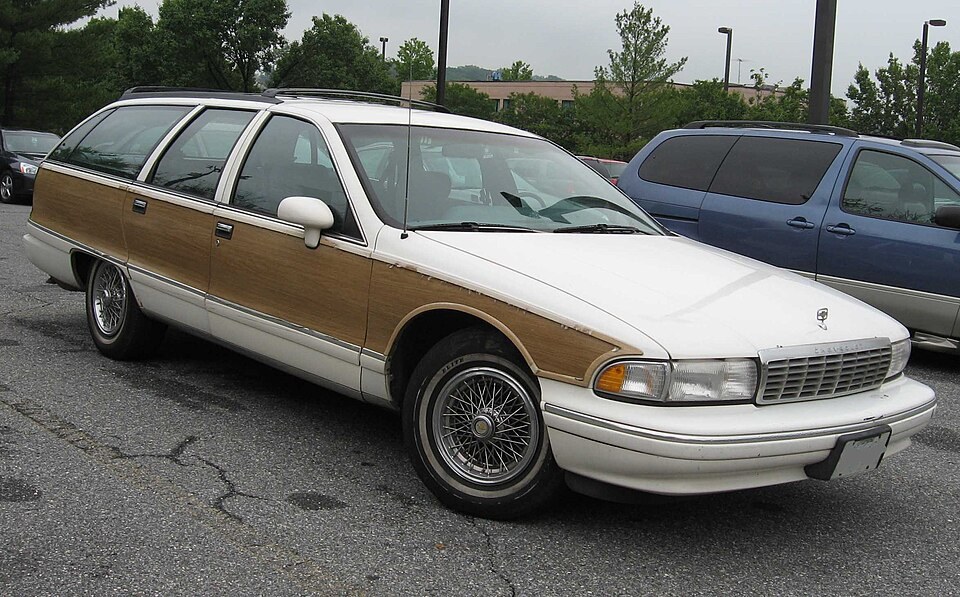
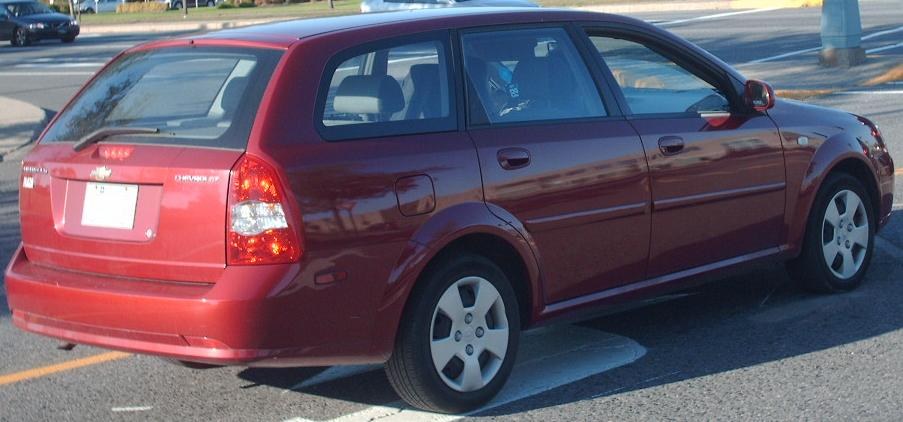
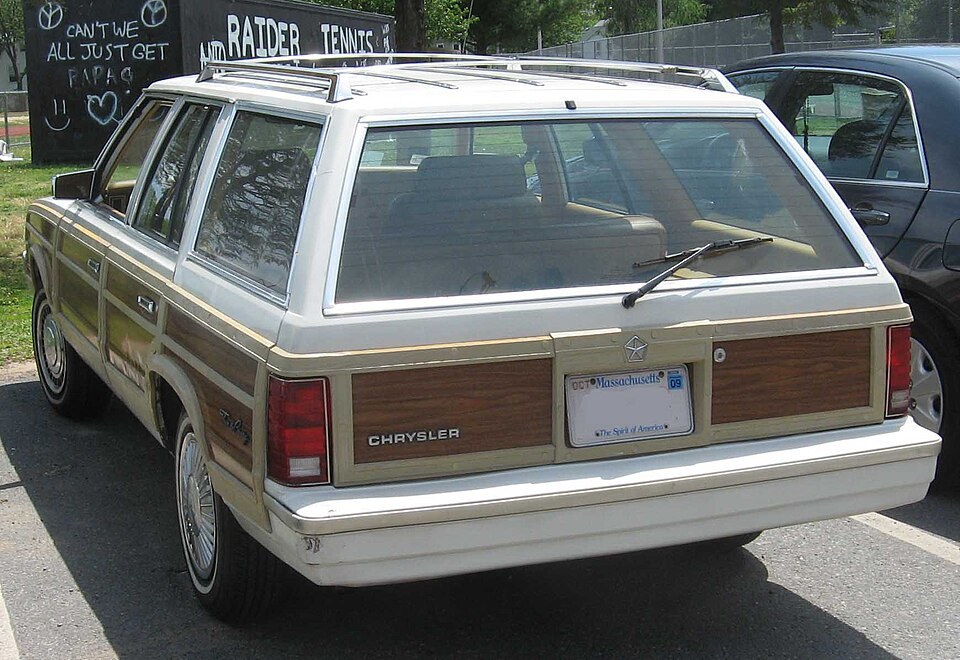
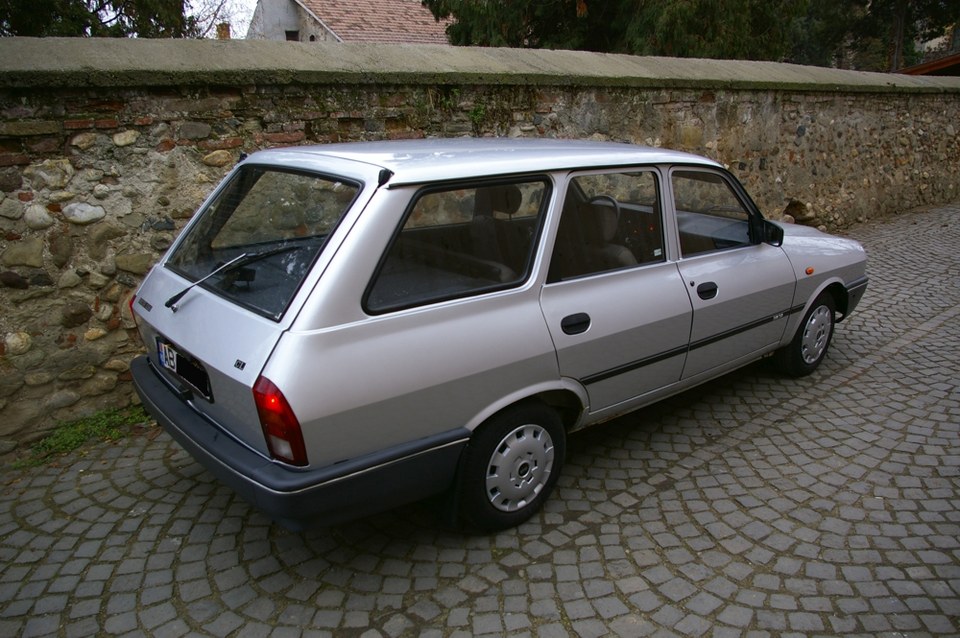
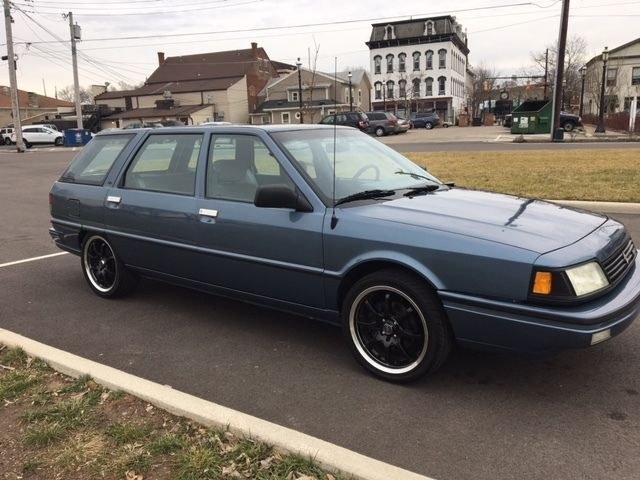
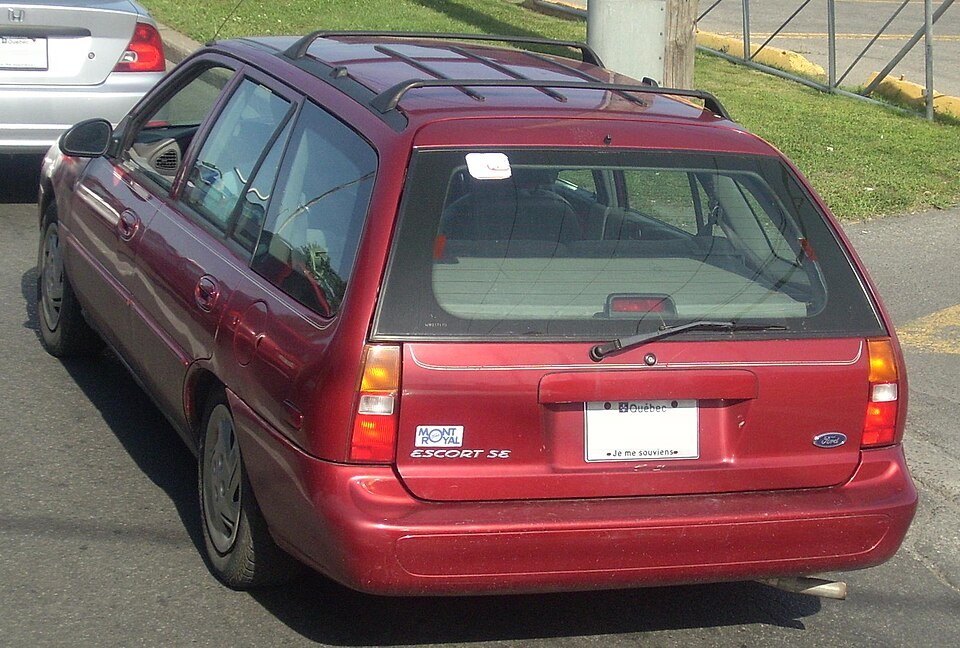
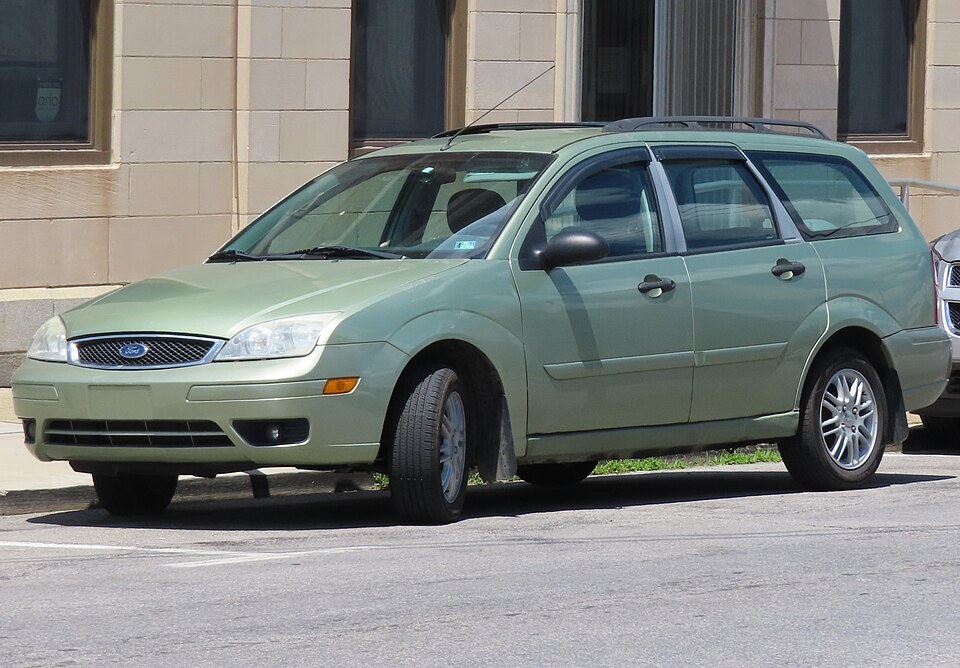
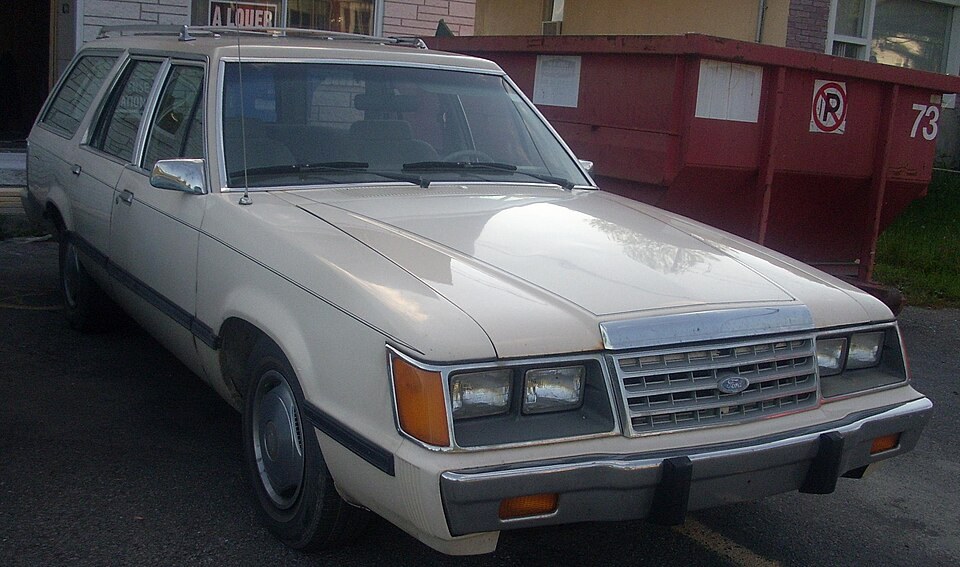
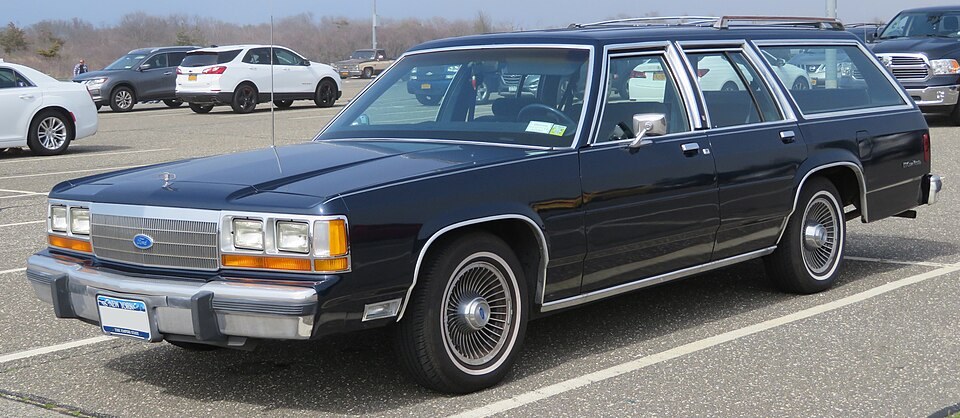
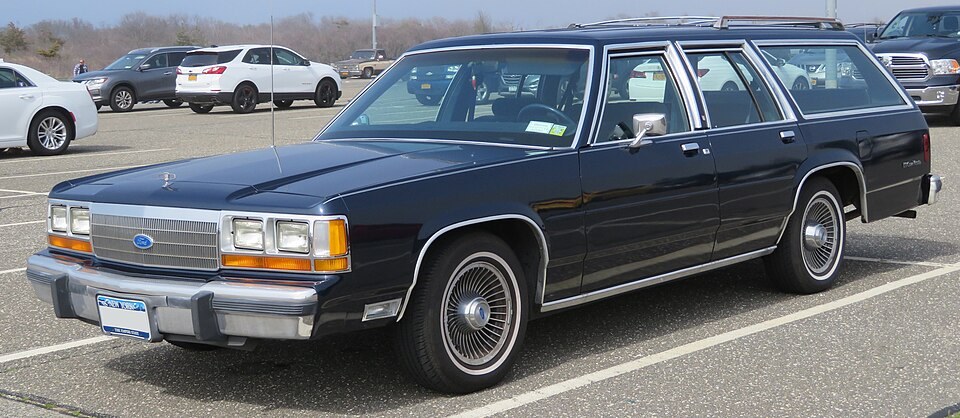
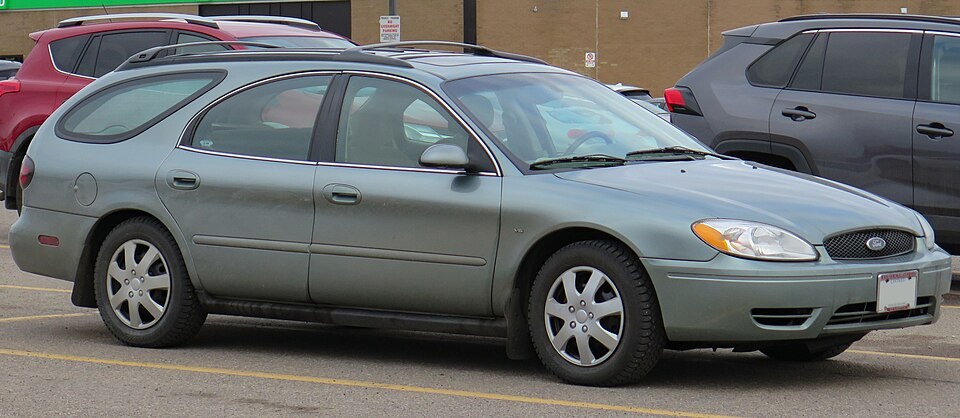
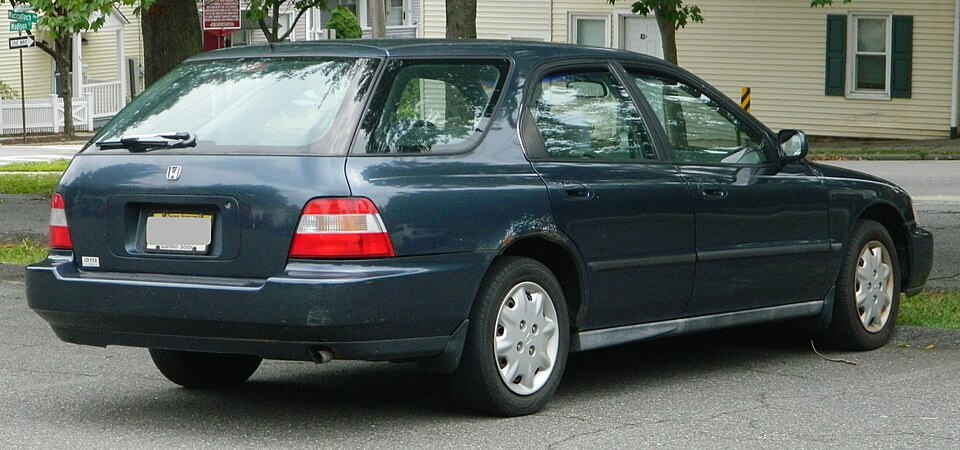
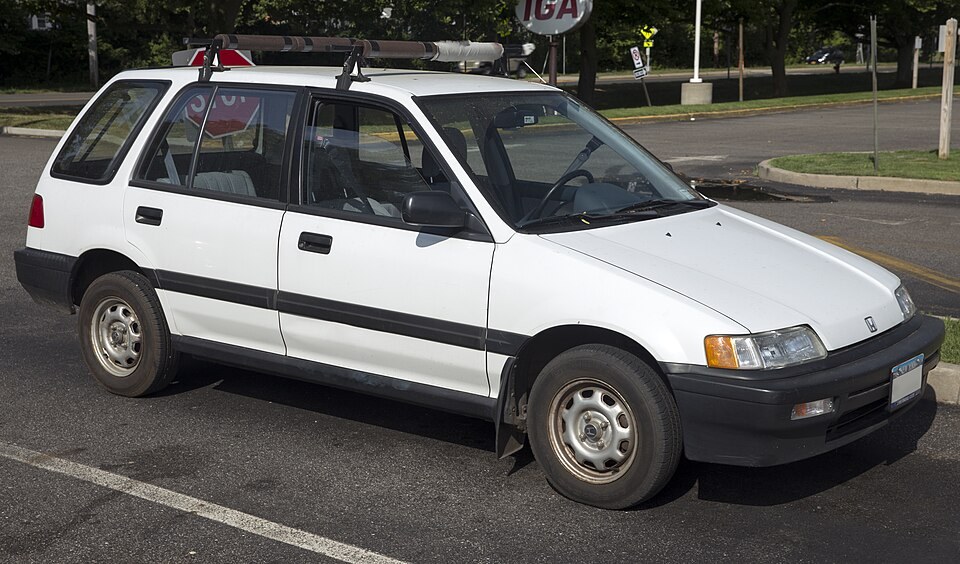
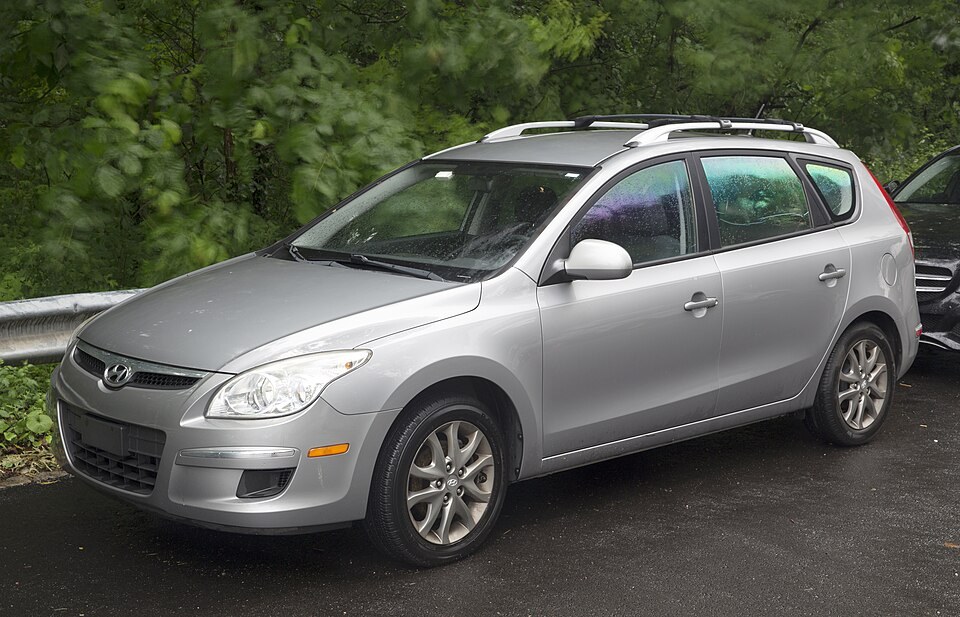
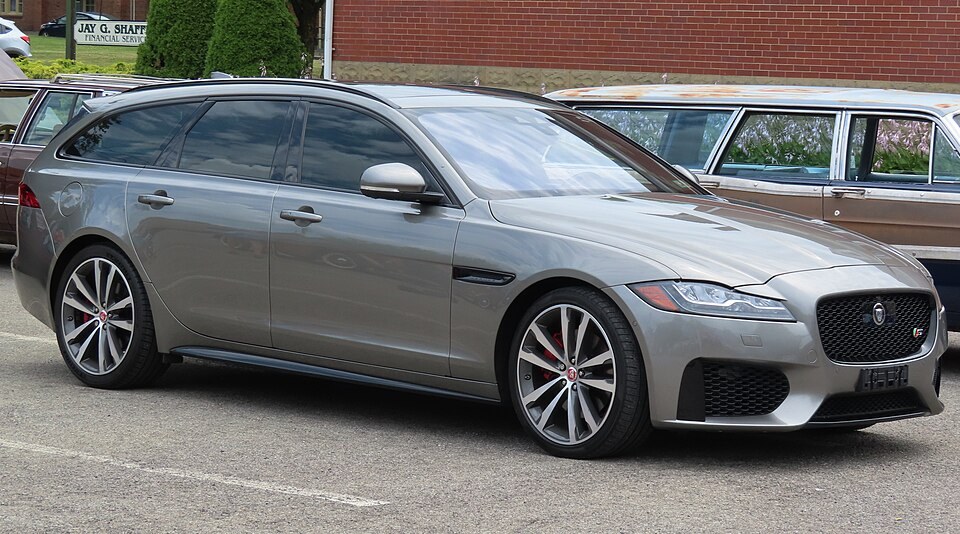
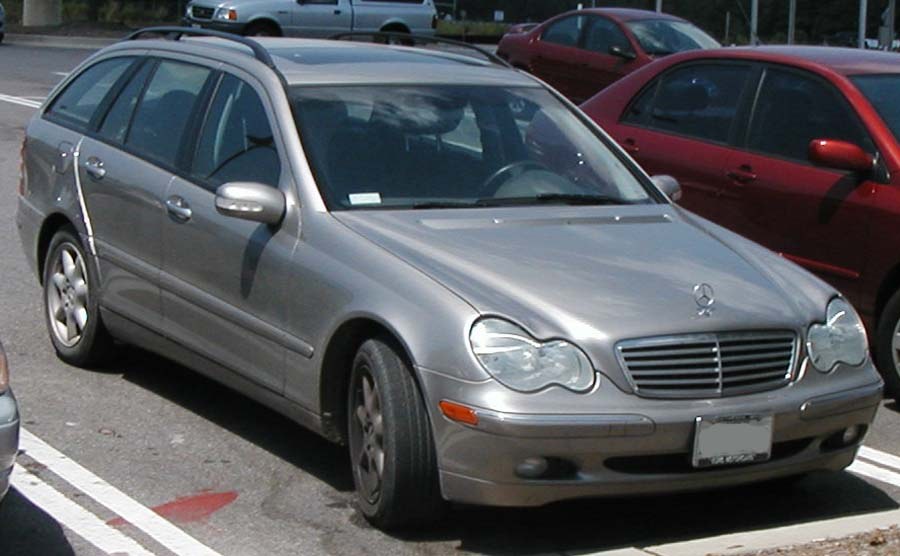
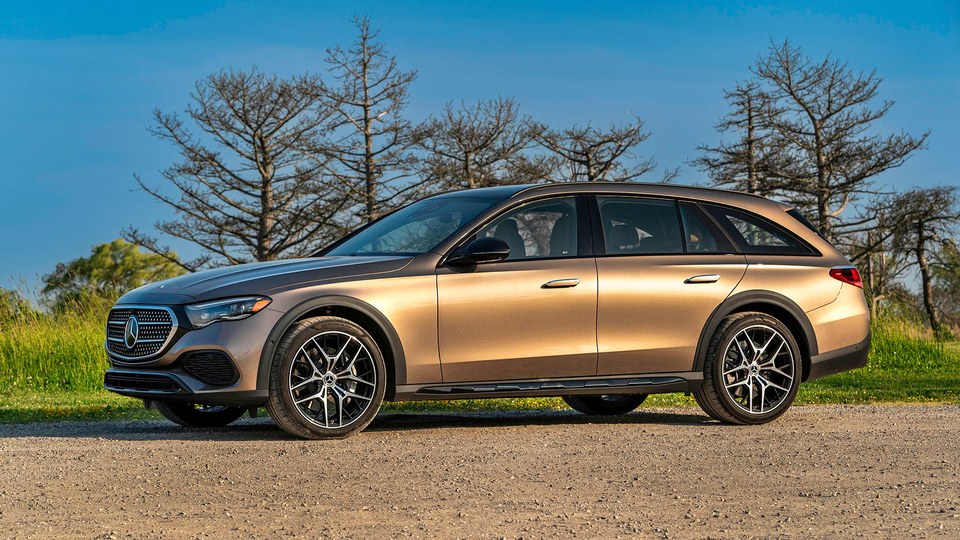
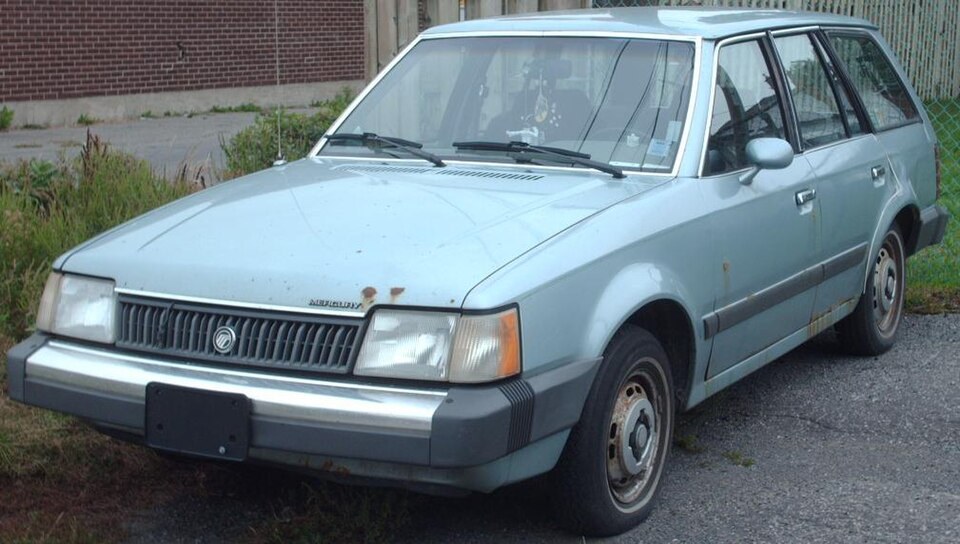
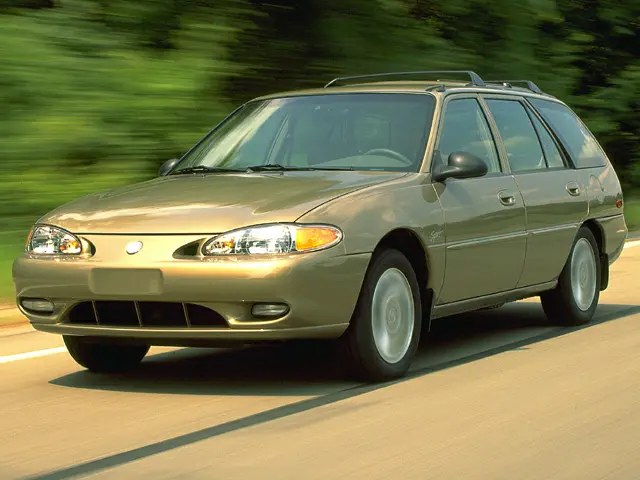
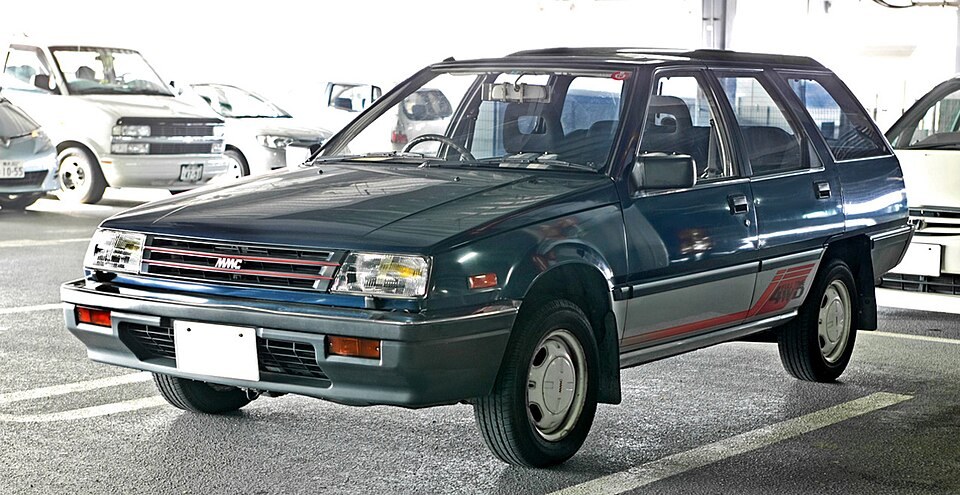
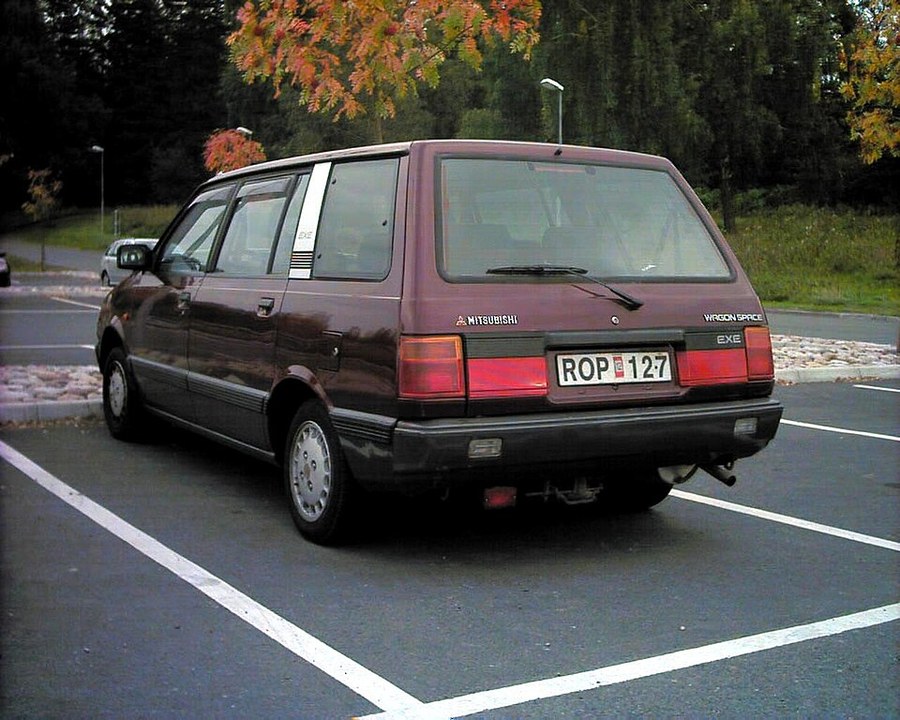
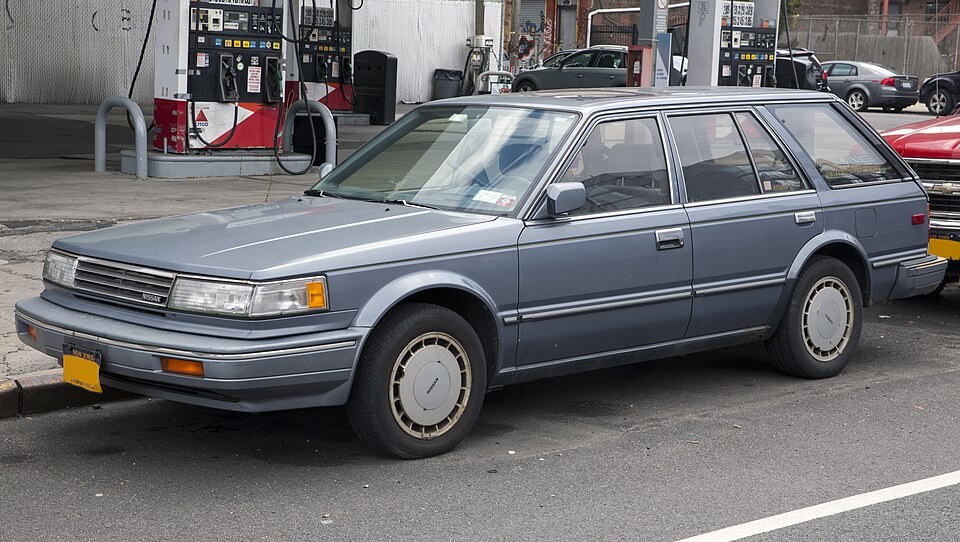
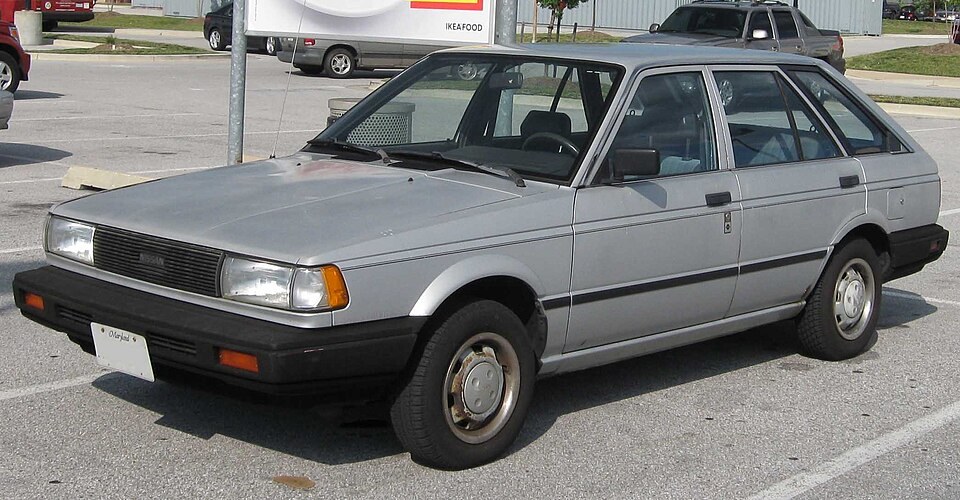
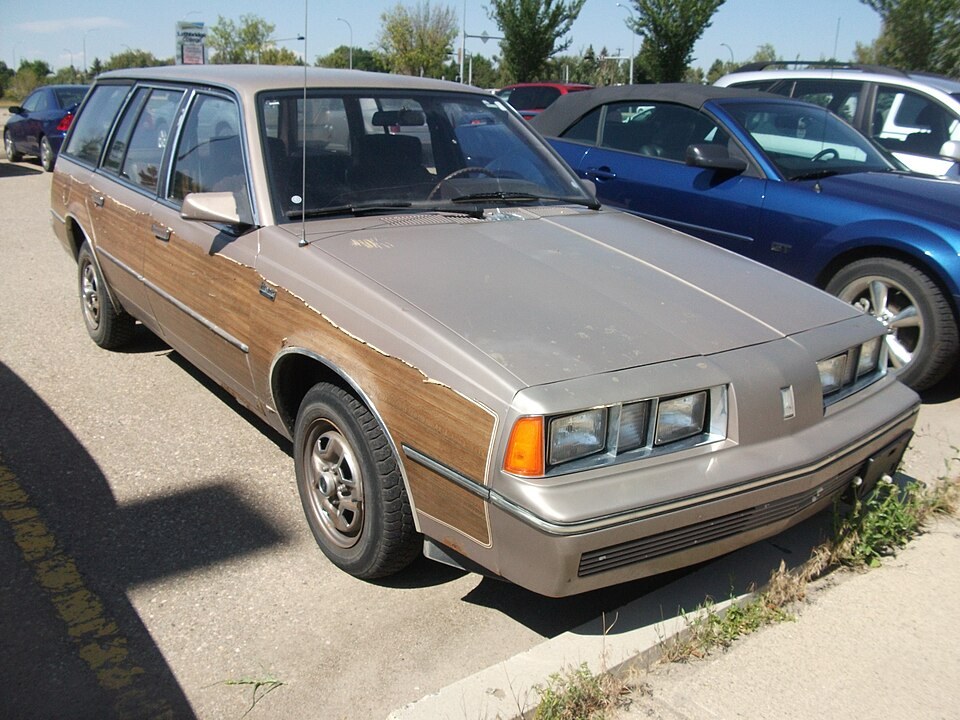
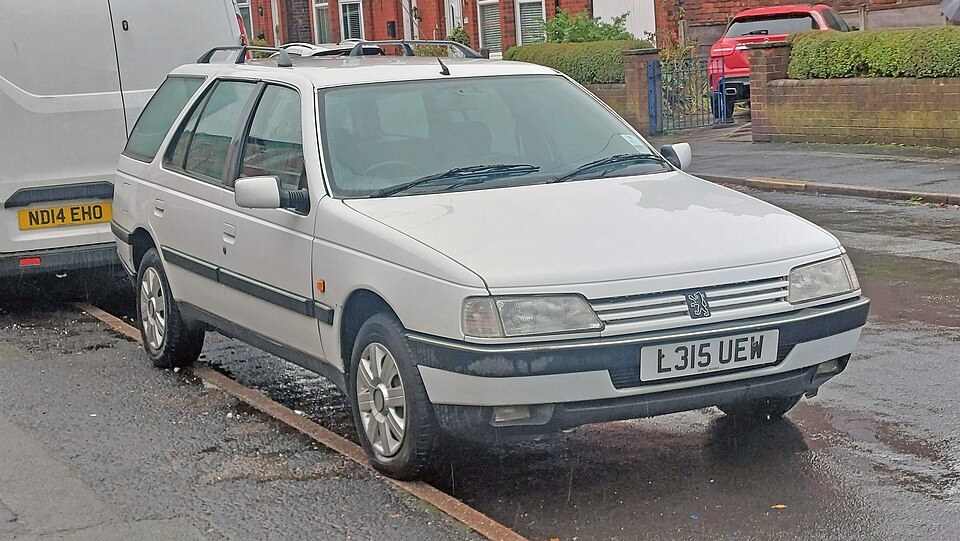
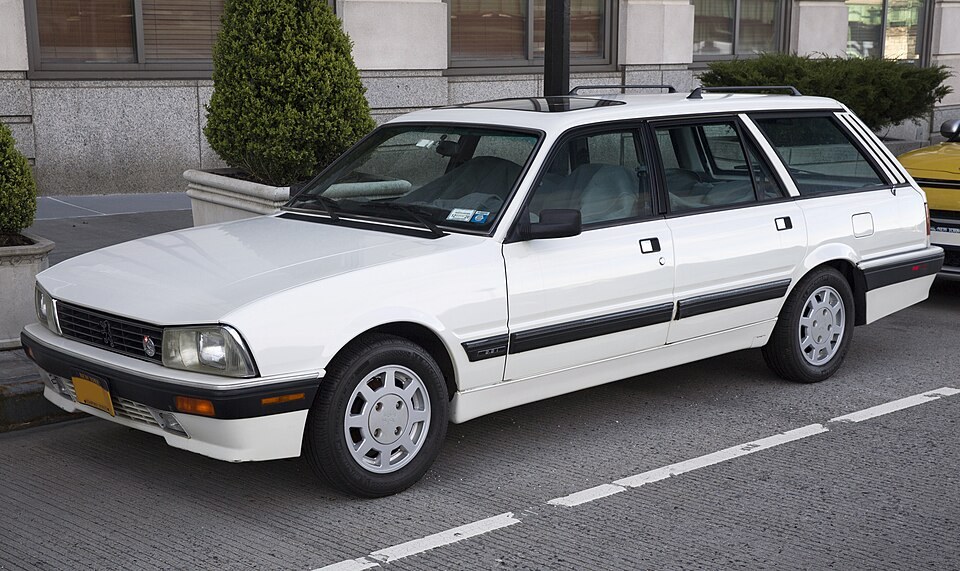
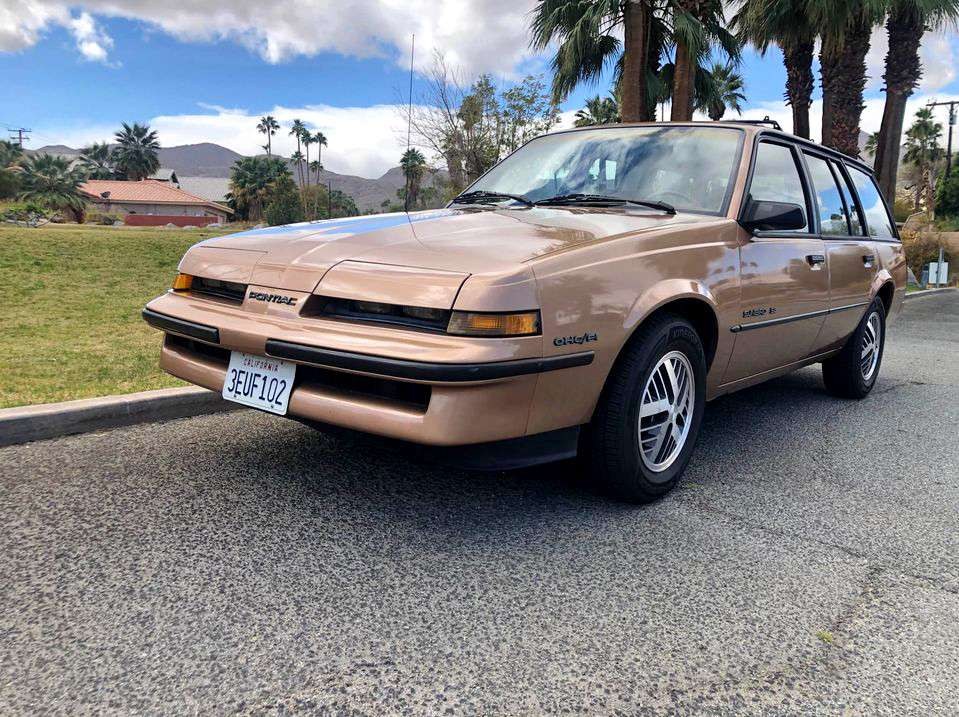
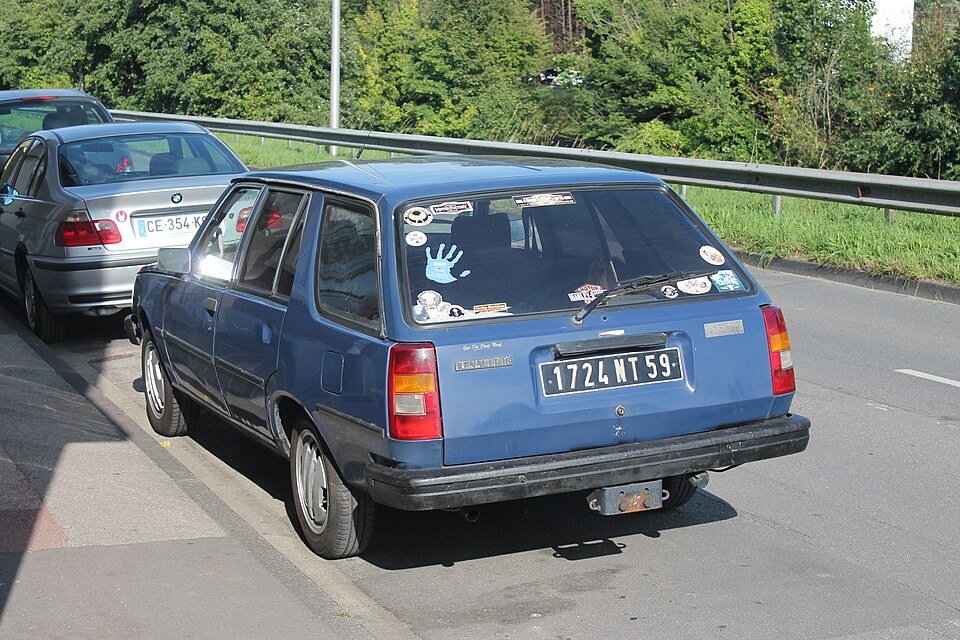
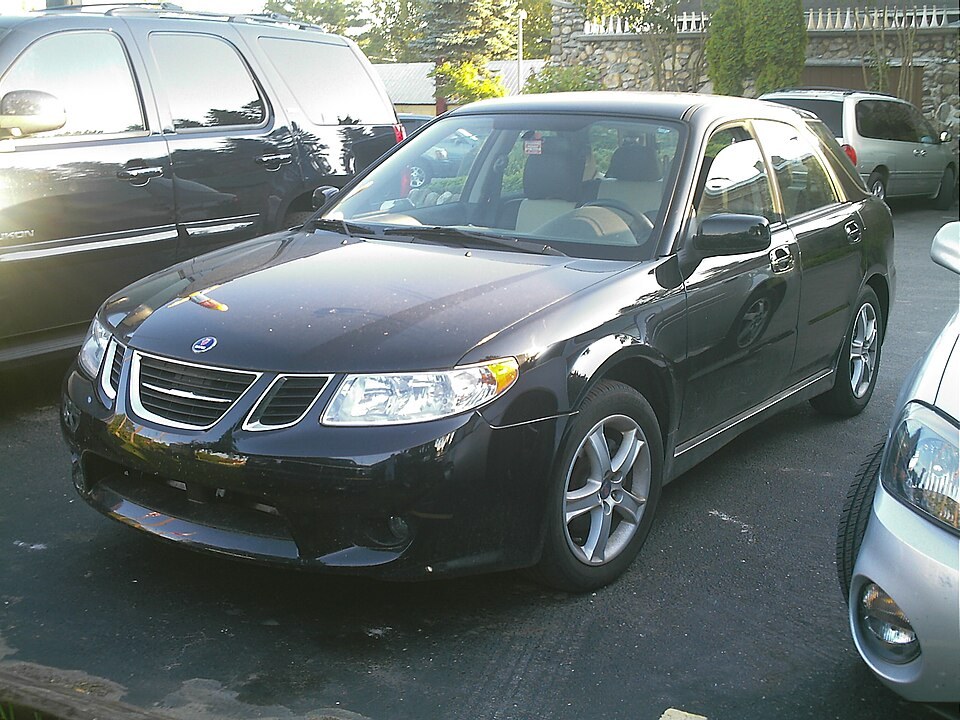
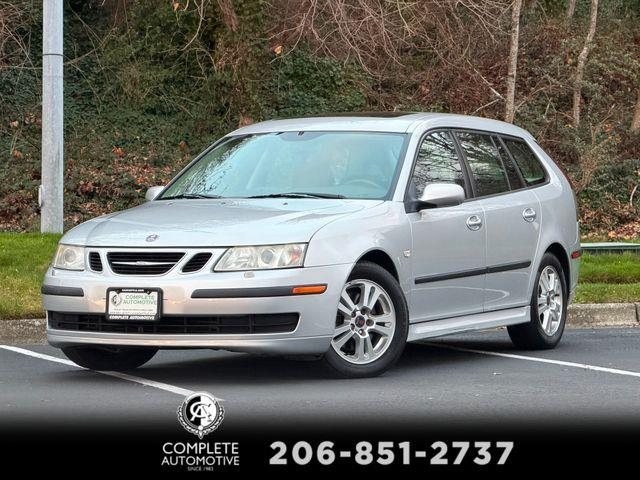
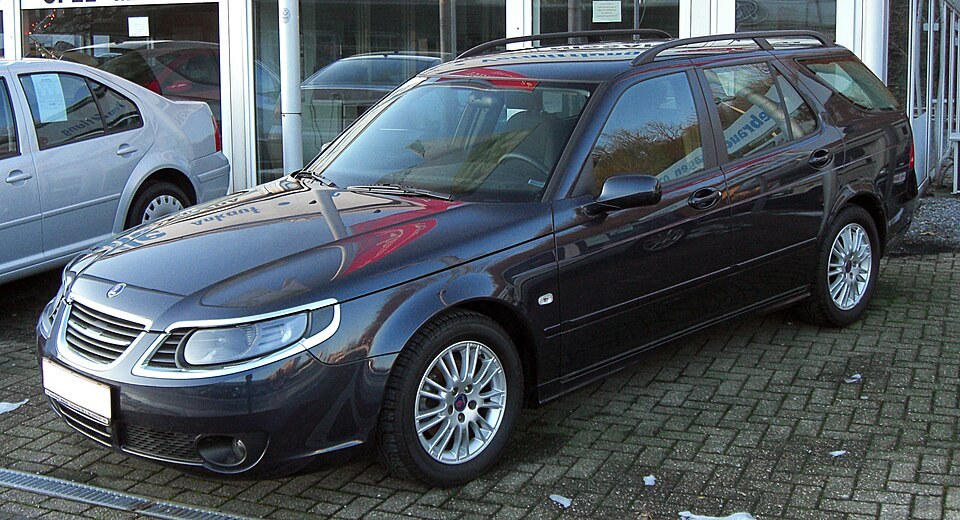
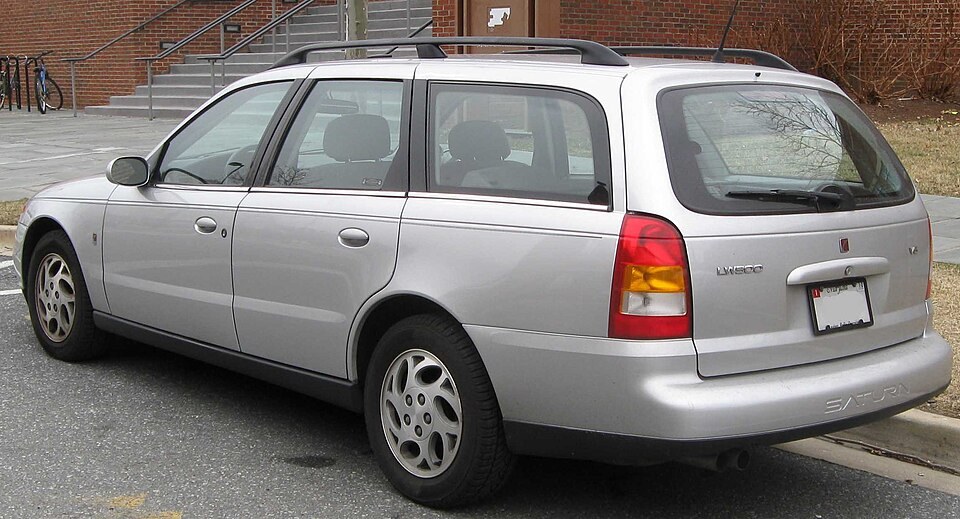
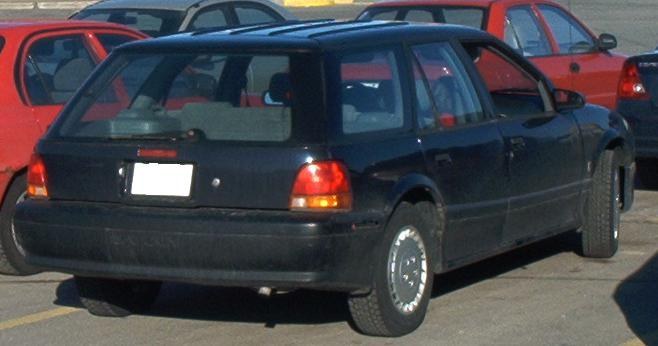
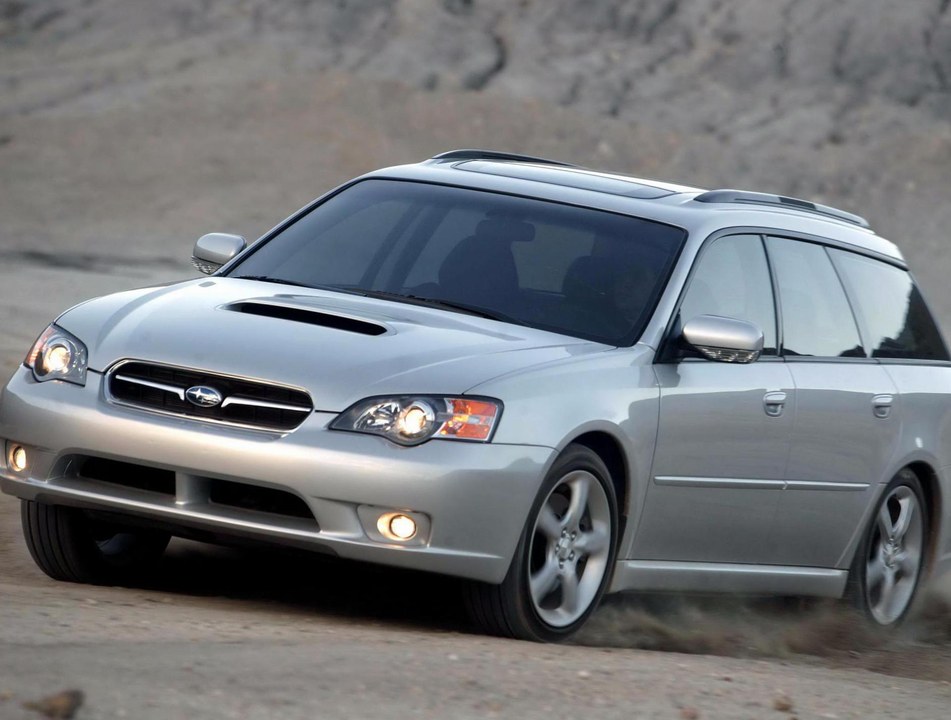
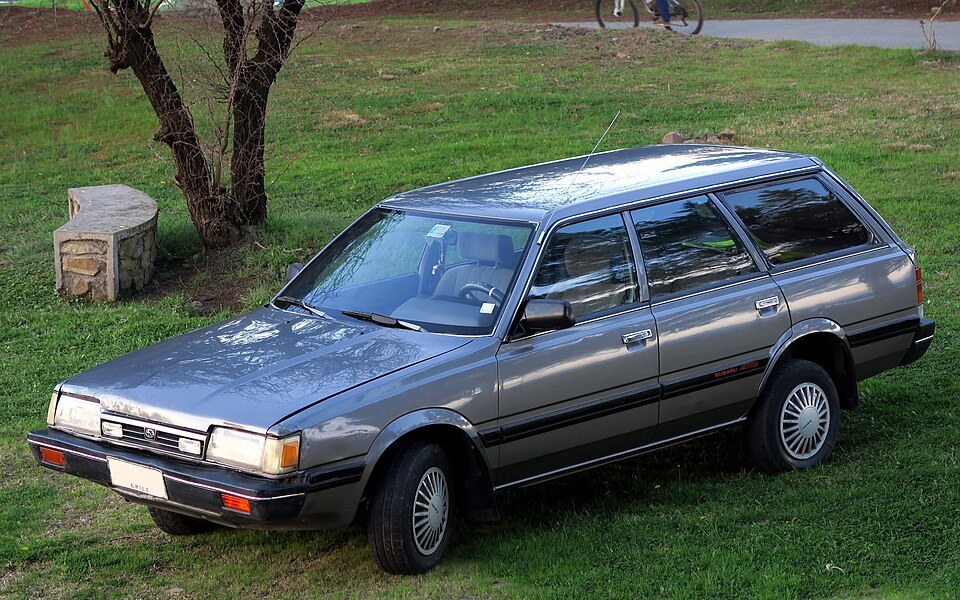
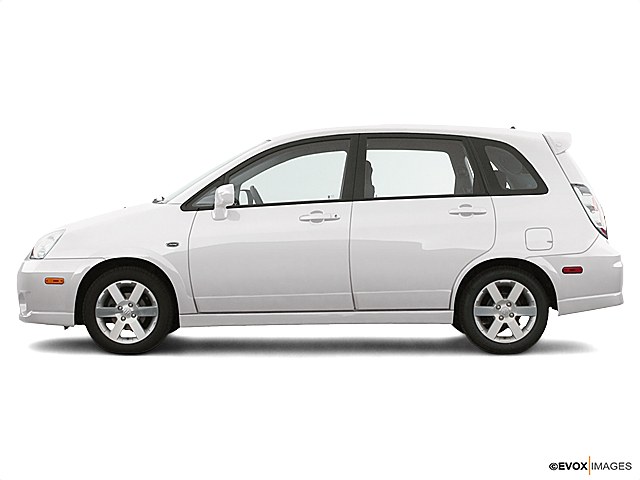
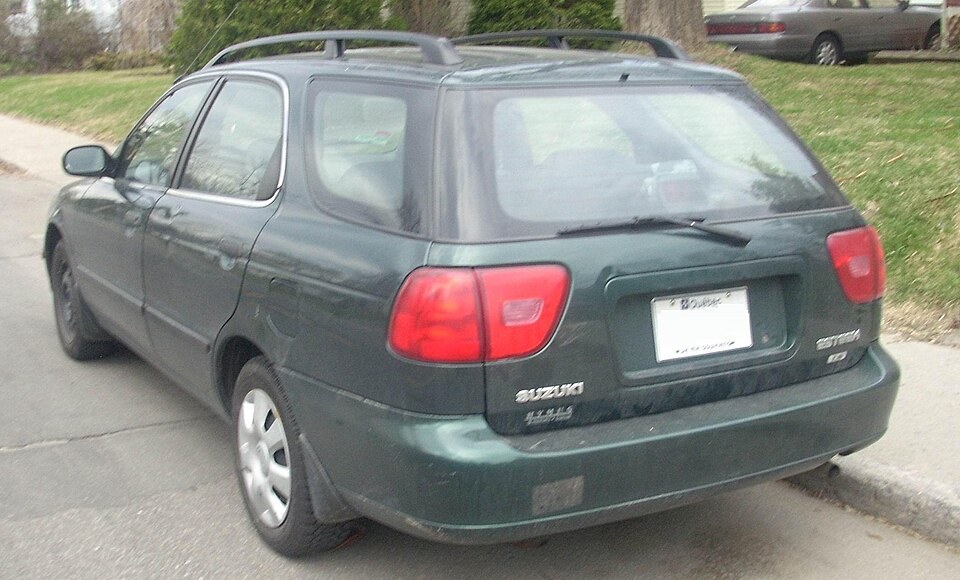
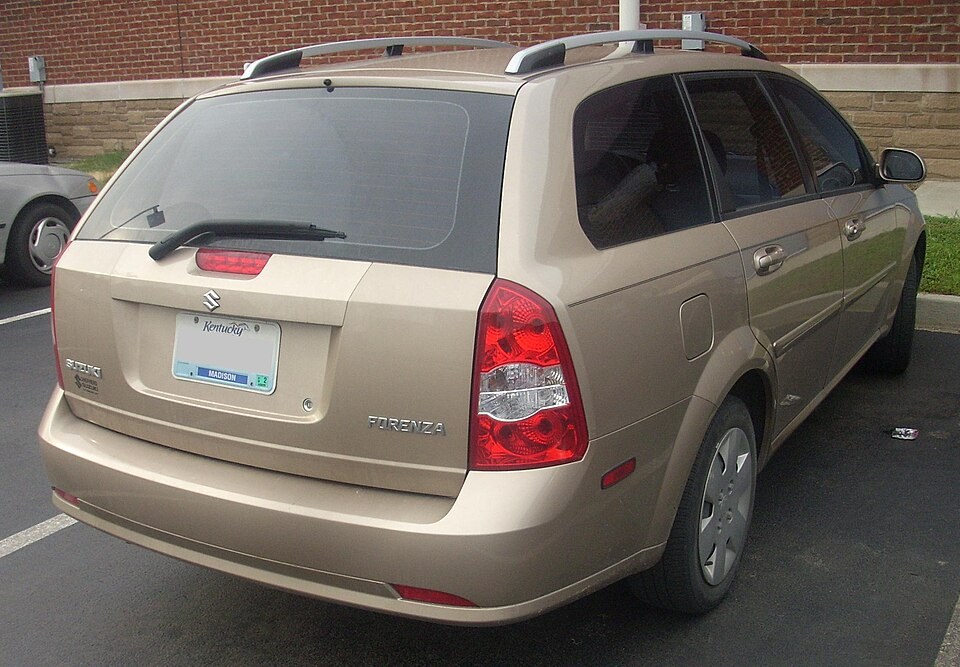
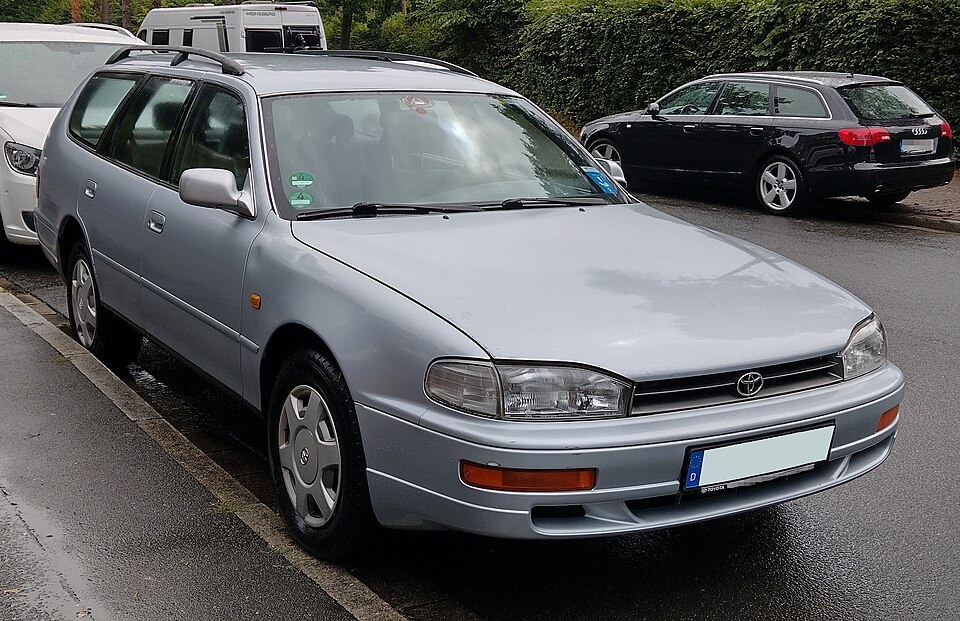
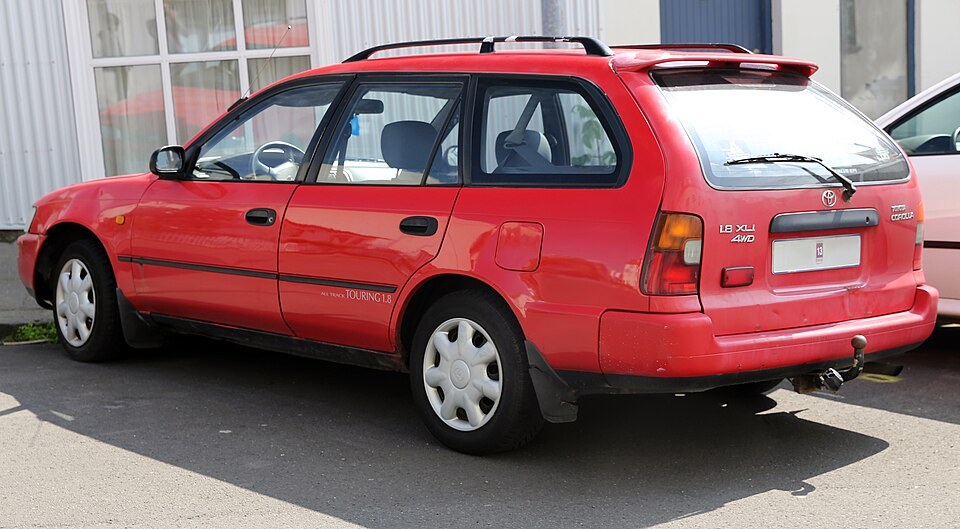
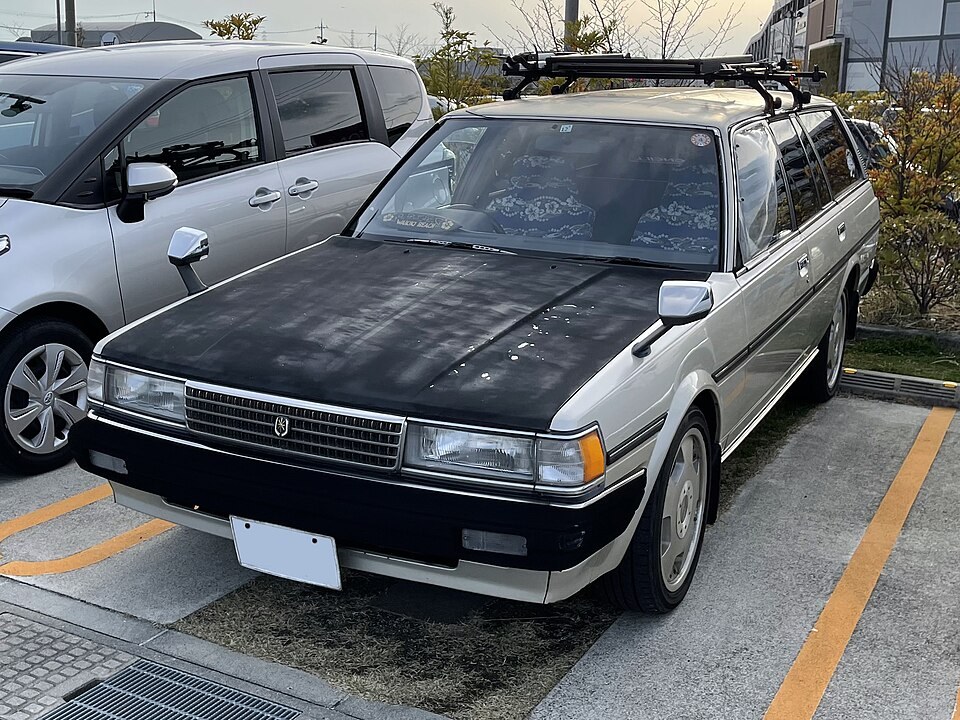
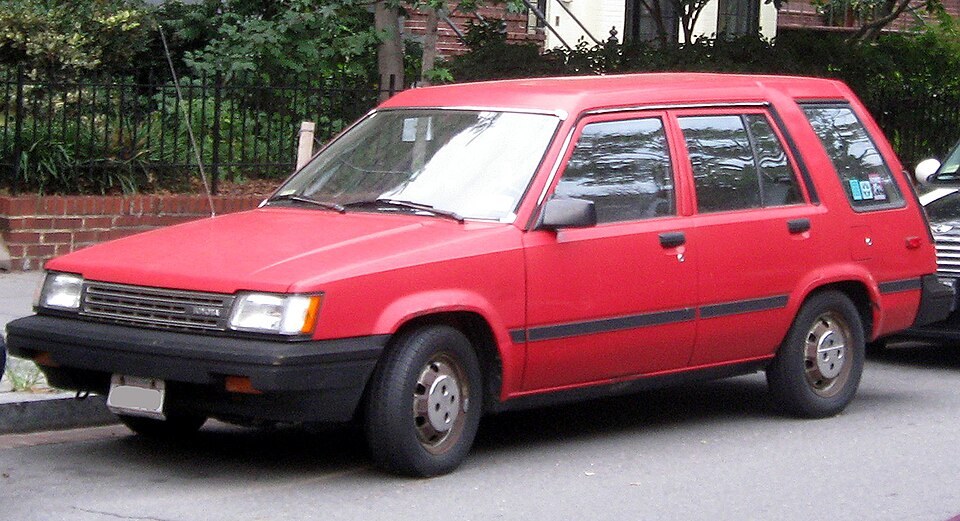
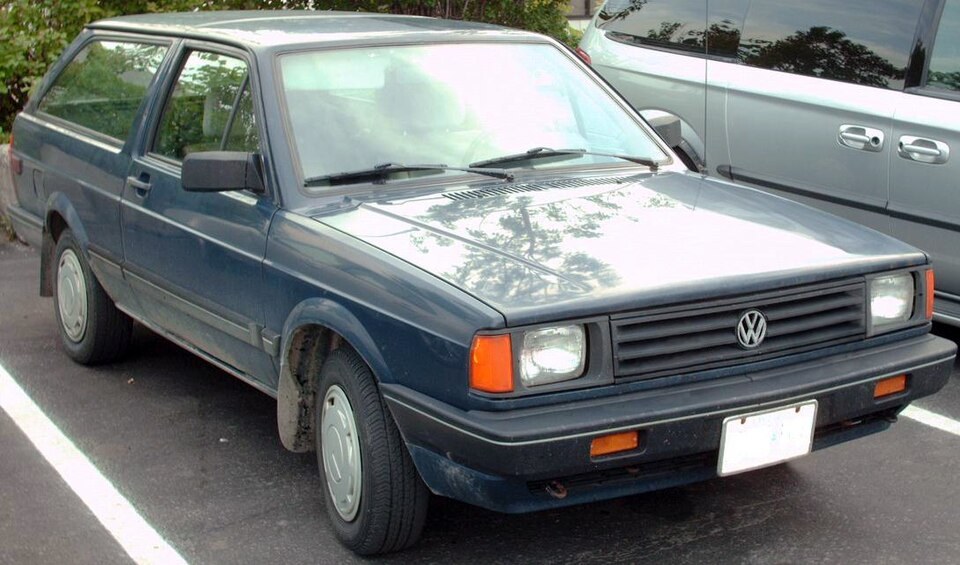
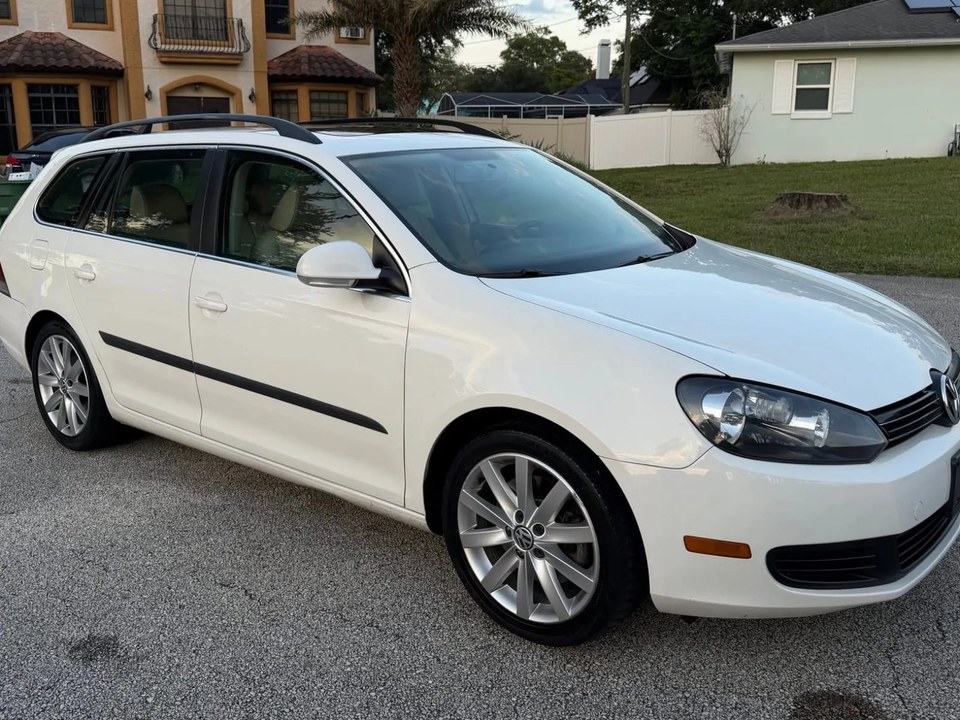
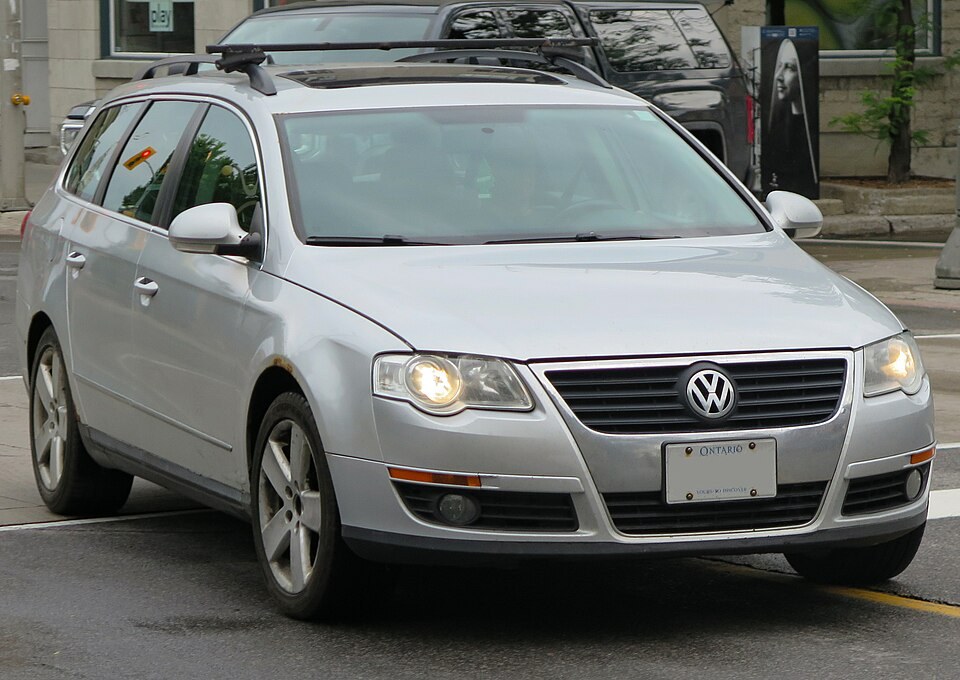
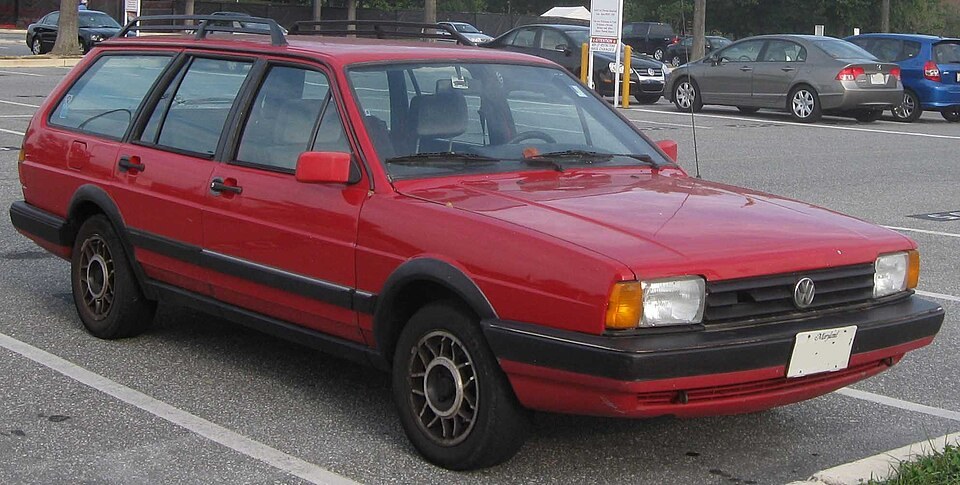
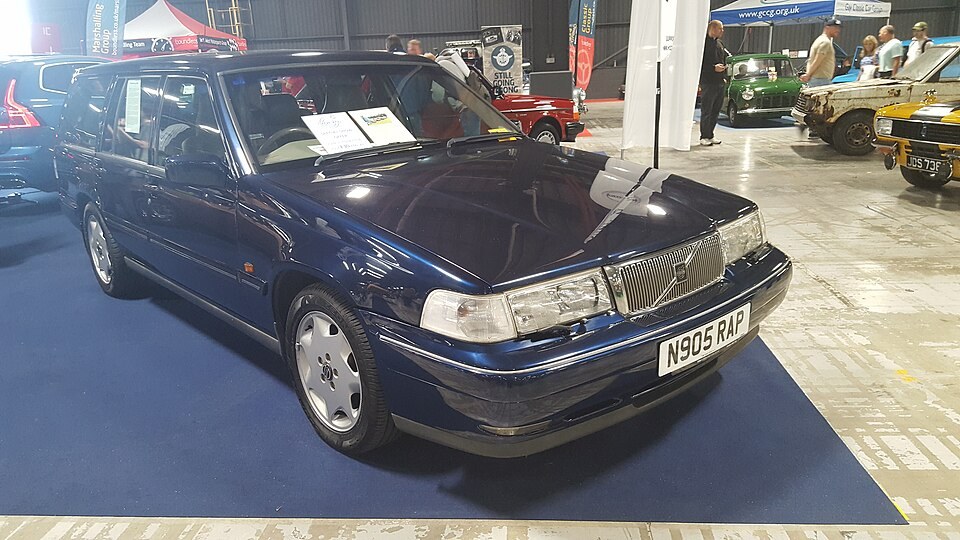
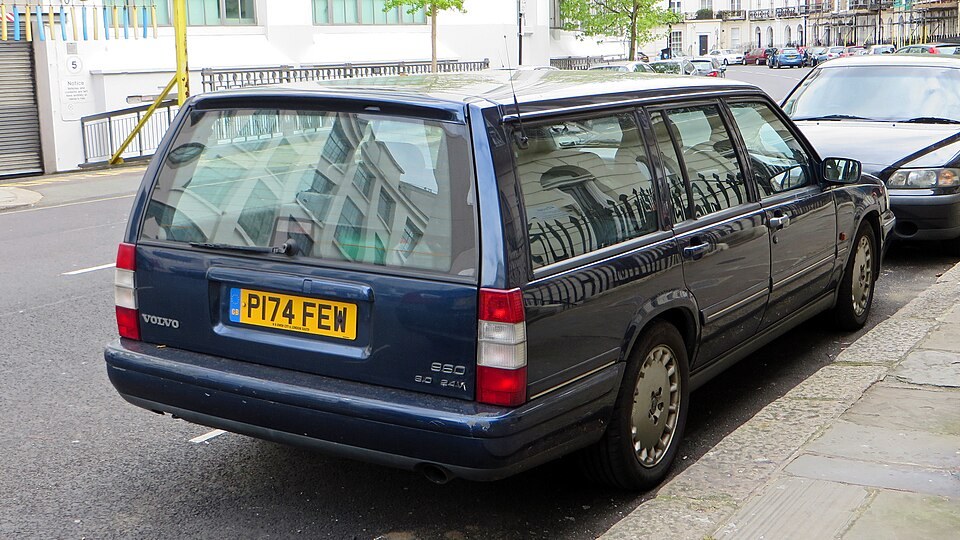
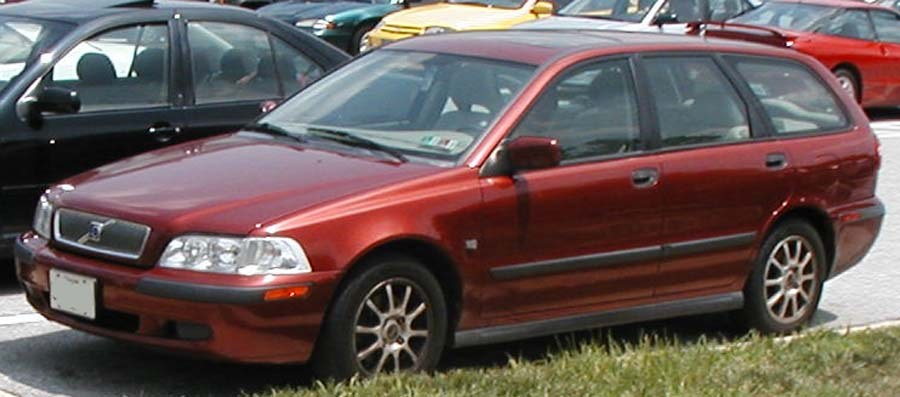
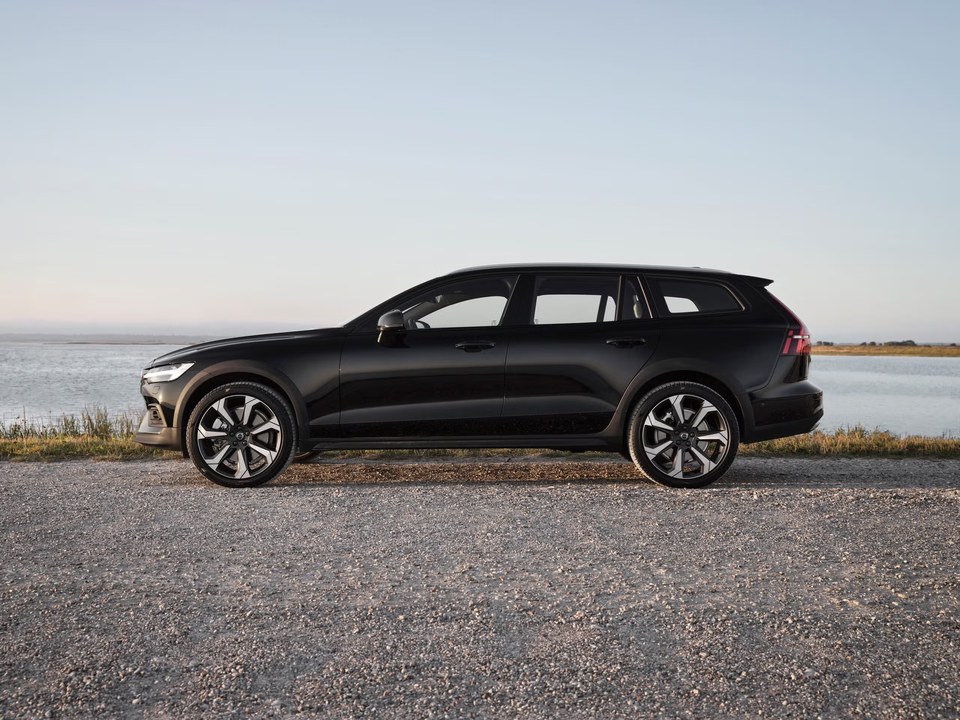
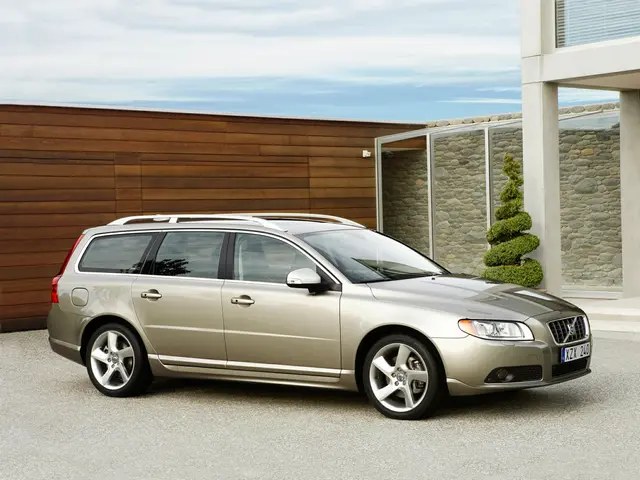
Photos illustrate the named model or body generation, not a particular car offered for sale or a guaranteed trim/color specification. Each record carries a photo-source credit. If you find a generation mismatch, incorrect data or a better primary source, send a correction with the Waghoon record ID and supporting URL. See our editorial policy.
Download the documented index data (JSON). Manufacturer document links and field-specific evidence travel with each enriched record. Government data, third-party images and manufacturer documents retain their respective terms; the download does not grant rights to republish those assets.
Station-wagon comparison questions
Which station wagon has the most cargo space?
Define whether you need seats-up or seats-folded capacity first, then compare the same measurement method. This index does not declare a universal cargo winner from mixed EPA and manufacturer values. A physical test with your actual gear is still essential.
Are these all the station wagons sold in America?
No. They are selected EPA configurations from 1984 onward, not a complete sales history or a current new-car catalog. Older classics and non-U.S. models are underrepresented, and the dataset does not include every trim or powertrain.
Why are some dimensions or seating numbers N/A?
The exact configuration needs a traceable source. N/A means the evidence is incomplete; it is not a negative score for the vehicle. We keep incomplete records useful for the fields that are documented.
Can I compare or share two selected wagons?
Yes. Choose Wagon A and Wagon B, then use Copy comparison link. The selections and filters are stored in the URL; the main index remains the canonical search page.







_%E2%80%93_f_21082026.jpg)


_Wagon_facelift_rear.jpg)
_(52338980138).jpg)
.jpg)


.jpg)
.jpg)


_(55256022118).jpg)

.jpg)


.jpg)
.jpg)
.jpg)


.jpg)


.jpg)
_01.jpg)


_front.jpg)


,_front_left.jpg)
.jpg)
.jpg)
.jpg)
.jpg)

